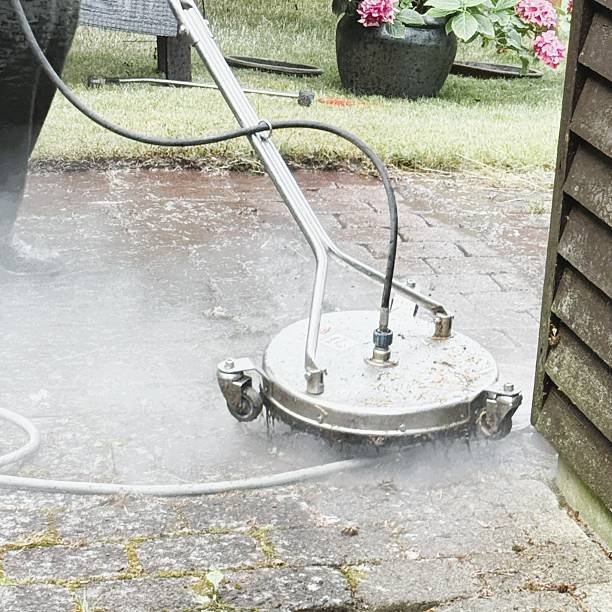
A person operating a high-pressure water cleaning machine on outdoor cement paving stones. The strong water jet removes dirt, algae, and weather stains, bringing the stone surface back to life. Concept of patio cleaning, outdoor maintenance, and surface restoration.
Cracks in asphalt pavement may seem like minor problems at first, but they can gradually lead to more expensive repairs if left untreated. Changes in temperature, moisture, heavy traffic, and natural pavement aging can cause asphalt surfaces to crack. Over time, water can enter these openings, weaken the underlying base, and contribute to potholes and pavement deterioration.
Professional hot crack sealing is an effective asphalt maintenance solution that helps seal cracks and protect pavement from further damage. Abbey’s Seal Coating Paving LLC provides asphalt maintenance and paving services to help residential and commercial property owners maintain durable, functional surfaces in Chicago and nearby communities.
What Is Hot Crack Sealing?
Hot crack sealing is an asphalt repair technique that uses heated, flexible sealant to fill suitable pavement cracks. The material bonds with the crack walls and creates a protective barrier that helps prevent water and debris from entering the pavement structure.
Unlike temporary solutions that may deteriorate quickly, properly applied hot rubberized crack sealing uses flexible materials designed to accommodate normal pavement movement as temperatures change.
This service is particularly useful for maintaining asphalt driveways, parking lots, and other paved areas that develop cracks through everyday use and exposure to weather. Early crack sealing can help preserve pavement condition and reduce the likelihood of more extensive repairs.
Common Causes of Asphalt Cracks
Understanding why asphalt cracks develop can help property owners choose appropriate pavement maintenance solutions.
Temperature Changes
Asphalt expands and contracts as temperatures fluctuate. Repeated movement can create cracks, particularly in older pavement or surfaces that have become brittle.
Water Infiltration
Rainwater and melting snow can enter unsealed cracks and affect the underlying pavement base. In colder weather, freeze-thaw cycles can contribute to further deterioration.
Heavy Traffic and Vehicle Loads
Driveways and commercial parking lots experience repeated vehicle movement. Heavy loads, insufficient pavement thickness, and a weakened base can contribute to cracking and other structural problems.
Aging Asphalt
Over time, sunlight, oxidation, and normal wear can make asphalt less flexible. As the surface ages, it becomes more vulnerable to cracking and other forms of pavement damage.
Identifying these causes helps property owners understand why regular asphalt crack repair and maintenance are important.
Benefits of Professional Hot Crack Sealing
1. Helps Prevent Water Damage
One of the primary benefits of crack sealing is limiting water infiltration. Sealing suitable cracks creates a barrier that helps protect the pavement base from moisture-related deterioration.
2. Extends Pavement Service Life
Addressing cracks early can help slow the progression of certain types of asphalt damage. When combined with regular inspections and other appropriate maintenance, crack sealing may help extend the useful life of a driveway or parking lot.
3. Reduces Future Repair Costs
Small cracks are generally easier to address than extensive pavement deterioration. Timely hot asphalt crack filling can help reduce the risk of some costly repairs, although it cannot correct every underlying structural problem.
4. Improves Pavement Appearance
Cracks can make a driveway or parking lot appear neglected. Professional crack sealing creates a more maintained appearance and helps prepare suitable surfaces for additional maintenance, such as sealcoating.
5. Supports Safer Paved Areas
Cracks can develop into larger pavement defects that affect the smoothness of a driving or walking surface. Timely maintenance helps address these defects before they become more significant, although severe damage may require patching or reconstruction.
How Does the Hot Crack Sealing Process Work?
Effective crack sealing requires proper preparation and the correct application technique. Abbey’s Seal Coating Paving LLC can assess the pavement and determine which repair method is appropriate for the condition of the surface.
Pavement inspection: The process begins with examining the cracks, their width, distribution, and condition. This helps determine whether crack sealing is suitable or whether more extensive asphalt repair is needed.
Crack preparation: Loose debris, dirt, and other contaminants are removed so the sealant can bond effectively. Depending on the pavement and repair specifications, cracks may also require routing to create a suitable reservoir for the sealant.
Hot sealant application: A compatible rubberized sealant is heated to the manufacturer’s recommended temperature and applied to prepared cracks. Proper application helps create a flexible seal that accommodates normal pavement movement.
Cooling and curing: The sealant must cool or set sufficiently before the repaired area is reopened to traffic. The required waiting time depends on the material, weather conditions, and application method.
Follow-up maintenance: Periodic pavement inspections help identify new cracks and determine whether additional maintenance is necessary.
Hot Crack Sealing for Driveways and Parking Lots
Different paved surfaces experience different levels of traffic and wear. Residential driveways may develop cracks from aging asphalt, seasonal temperature changes, or water infiltration. Driveway crack sealing can help protect suitable cracks before they become more extensive.
Commercial parking lots often experience frequent vehicle movements and repeated loading. Parking lot crack sealing helps property managers maintain pavement condition and reduce the risk of moisture entering vulnerable areas.
Abbey’s Seal Coating Paving LLC serves property owners in Chicago and nearby communities, including Oak Lawn, Bridgeview, Blue Island, Dolton, Evergreen Park, Beverly, and Pullman, Illinois.
Whether you manage a residential driveway or a commercial parking facility, the appropriate repair plan depends on the extent of cracking, the condition of the pavement base, and the surface’s maintenance history.
Why Choose Abbey’s Seal Coating Paving LLC?
Choosing an experienced paving contractor helps ensure that asphalt problems are assessed before a repair method is selected. Abbey’s Seal Coating Paving LLC offers hot crack sealing alongside asphalt repair, driveway paving, parking lot paving, and sealcoating services.
The company works with residential and commercial properties, helping owners address pavement deterioration and plan appropriate maintenance. A professional assessment can establish whether cracks are suitable for sealing or whether patching, resurfacing, or more extensive repairs would provide a better result.
By addressing pavement issues early and maintaining a consistent maintenance schedule, property owners can make informed decisions about protecting their asphalt investments.
Protect Your Pavement With Professional Crack Sealing
Asphalt cracks should not be ignored simply because they appear small. Water infiltration, temperature fluctuations, and regular traffic can gradually make existing damage worse. Professional hot crack sealing helps protect suitable cracks and supports a proactive approach to pavement maintenance.
Abbey’s Seal Coating Paving LLC provides hot crack sealing services in Chicago, IL, for residential driveways and commercial parking lots. Contact the team to discuss your pavement concerns, request an assessment, and find out which asphalt repair solution best suits your property.
Frequently Asked Questions (FAQs)
1. What is the difference between hot crack sealing and crack filling?
Hot crack sealing generally uses a flexible, hot-applied sealant designed to accommodate pavement movement. Crack filling typically uses materials intended for cracks with less movement. The appropriate method depends on crack type, pavement condition, and product specifications.
2. When should asphalt cracks be sealed?
Cracks should generally be evaluated when they first appear, before water infiltration and weather exposure cause additional deterioration. Suitable application temperatures and dry pavement conditions are important for effective results.
3. How long does hot crack sealing last?
Its service life varies according to the sealant used, crack movement, pavement condition, traffic, and weather exposure. Regular inspections can help identify when maintenance or replacement of the sealant is needed.
4. Can hot crack sealing repair potholes?
No. Crack sealing is intended for suitable cracks, not potholes or severely deteriorated pavement. Potholes may require patching, while extensive structural damage may require more substantial repairs.
5. Is hot crack sealing suitable for commercial parking lots?
Yes. Hot crack sealing can be suitable for commercial parking lots when the cracks and pavement meet the requirements for the treatment. An inspection helps determine the best repair approach.
6. Should I sealcoat my driveway after crack sealing?
Sealcoating may be beneficial as part of a broader asphalt maintenance plan. However, the crack sealant must be compatible with the sealer, and sufficient cooling or curing time must be allowed before additional work begins.
7. How much does hot crack sealing cost?
The cost depends on the total length and size of the cracks, preparation requirements, pavement condition, and project accessibility. Contact Abbey’s Seal Coating Paving LLC for an estimate based on your property.
8. Why hire a professional for hot crack sealing?
A professional can assess crack conditions, prepare the surface properly, select suitable materials, and apply the sealant according to product requirements. This helps improve repair quality and avoid using crack sealing where more extensive pavement work is necessary.