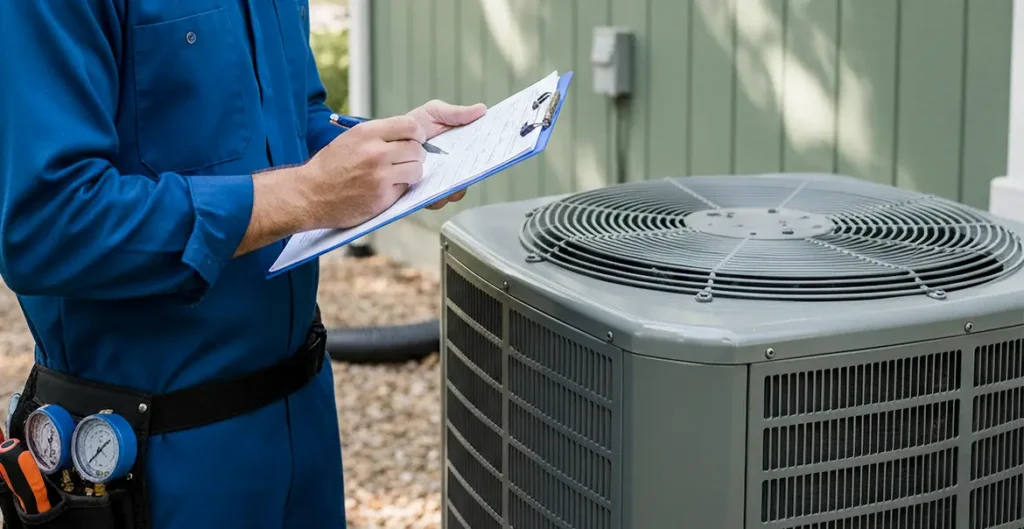
An HVAC system is significant in ensuring that there is comfort within the house by regulating the temperature all year round. However, like any other equipment, the system requires regular maintenance to perform its function properly. A timely HVAC system inspection in Fort Worth can help detect any emerging issues with the system as well as enhance energy efficiency.
Even though inspections may occur at any time of the year, some seasons are better suited than others for the activity. The best time to conduct inspections would be before the system will be used extensively. Seasonal maintenance requirements, warning signs, and recommended inspection intervals are crucial factors that need consideration.
Schedule an Inspection Before Peak Cooling Season
Springtime is usually one of the most suitable periods for an HVAC inspection, especially if the summer months are hot in a given area. It would be possible for the technician to conduct an inspection on vital elements like filters, coils, electrical connections, amount of refrigerant, ducts, and condensate drains prior to their usage throughout the day.
It is easier to deal with minor problems that could escalate into bigger ones if detected early enough. A pre-season inspection will make it possible for a technician to make improvements on the efficiency of the HVAC system prior to increased use of the system.
Inspect the Heating System Before Winter
Where furnace or heat pump systems are used to heat houses in colder weather, fall is the best time to conduct HVAC maintenance. Since heating devices have not been used for a long period of time, some dust particles or minor mechanical problems might go unnoticed. There will be plenty of time before winter comes to make sure that everything is in order.
A proper inspection of the heating device will help you detect worn parts, improper ventilation, problems with ignitions, faulty thermostats, and other aspects of the system that might negatively affect its operation. In addition, fall is a good time to do that since HVAC technicians might be busy when winter begins.
Consider an Inspection Twice a Year
Though the seasonal review is highly advantageous, most HVAC systems need professional care two times a year. Spring check-ups can be dedicated to the cooling performance and fall ones to the heating part. This way, all possible problems can be detected before the beginning of each season.
Checks two times per year can be highly beneficial for old systems, intensively used equipment, or buildings with special needs of indoor climate comfort. Professional assessments can also keep airflow, efficiency, and good functioning of the system in order. Instead of waiting until there is a failure, homeowners can use this method as a preventive maintenance measure.
Schedule an Inspection When Performance Changes
Seasonality matters, yet homeowners should not postpone their inspection to spring and fall seasons when problems begin to manifest themselves on the part of the HVAC system. Signs of abnormal activity might be weak airflow, uneven temperatures, odd noises, odors, increased cycling, sudden rise in energy use, and inability to achieve desired thermostat settings.
Early scheduling of the inspection may save homeowners from having a bigger problem caused by a small defect. Thus, poor airflow might be caused by a clogged filter or a bigger ductwork issue. When unusual smells of electrical nature appear, timely inspection is crucial.
Inspect Older HVAC Systems More Frequently
An older HVAC unit or a unit in poor working condition would also have an impact on when inspections need to be done. It would tend to suffer more wear and tear and would therefore need more attention than a new one. Parts might get worn out due to constant heating and cooling, and the chances of encountering unexpected issues would be higher.
Homeowners who own an older system would need to conduct routine inspections according to the advice of a qualified HVAC technician. Such inspections could give insights about whether it is worth conducting further maintenance on the system or whether it will be best to replace it in the near future.
Choose a Convenient Time Before Emergency Repairs Are Needed
It is better to have the HVAC inspection done before there is a pressing need for it because waiting for severe weather means that the problem is going to be more troublesome and may affect the scheduling of the inspection appointment. Preventative inspections help in the identification of problems while the system is working.
It is also easier to do the maintenance at times when the heating/cooling needs are not high. Homeowners should take into consideration their local weather conditions, the age of the systems, and the usage when setting up the appointment.
Wrapping Up
No one date will work perfectly for all HVAC systems, but getting an inspection before times when the system is under a lot of stress is usually the best idea. It is good to inspect in the spring before using the coolers, and in the fall before using heaters. Professional inspections can help catch problems before they arise and help make sure that the HVAC system runs smoothly and efficiently, preventing any sudden malfunctions.