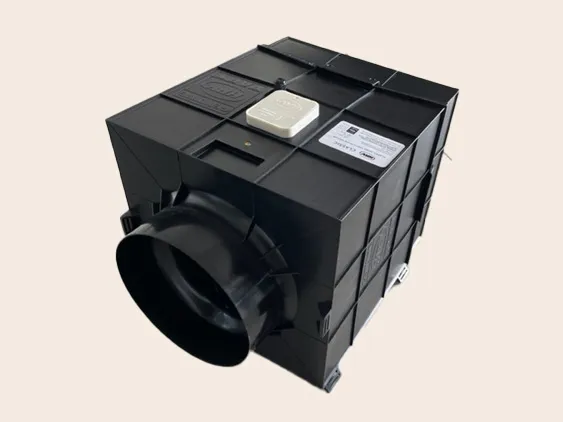
Modern residential properties increasingly require ventilation systems that can provide fresh air while managing energy consumption and indoor comfort. An HRV heat exchanger addresses these needs by exchanging stale indoor air for fresh outdoor air while recovering useful thermal energy during the process. Heat extracted from outgoing air is transferred to incoming air, helping preserve indoor warmth and reduce unnecessary energy loss. This exchange can lower the demand placed on heating and cooling equipment while contributing to improved indoor air quality and overall energy efficiency. By combining controlled ventilation with thermal recovery, these systems offer a practical solution for creating comfortable residential environments with more responsible energy management.
Reducing Household Heat Loss through HRV Heat Exchangers
HRV heat-exchangers transfer thermal energy between outgoing and incoming air, helping reduce the heat losses commonly associated with continuous ventilation. By recovering useful warmth, these systems can assist residential properties in maintaining more consistent indoor temperatures while lowering the workload placed on heating and cooling equipment that consumes substantial energy.
During colder weather, warmth contained in stale exhaust air is recovered and passed to fresh outdoor air before it enters the home, helping preserve indoor heat without compromising ventilation. Meanwhile, stale air, excess humidity, and indoor contaminants can be expelled from the property. Ongoing operation delivers fresh, tempered air, helping support comfortable indoor conditions as temperatures fluctuate throughout different seasons.
Limiting the thermal losses connected with conventional ventilation can contribute to stronger residential energy performance. Combining regular air replacement with heat recovery creates cleaner indoor surroundings while offering a more energy-efficient approach to modern residential ventilation design.
Residential Comfort Benefits from Ventilation Heat Recovery
Recovering thermal energy can provide meaningful advantages within residential ventilation by combining controlled airflow with more efficient energy use. Heat held within outgoing exhaust air is captured and transferred to incoming fresh air, helping decrease the energy needed to condition replacement air. This process can allow households to manage heating and cooling demands with greater efficiency.
The recovery of usable warmth can also help maintain steadier indoor temperatures by limiting sudden changes that may influence household comfort. Continuous ventilation supplies fresh, filtered air while assisting in the removal of excess moisture, unwanted odours, and airborne impurities from occupied areas.
Consistent air movement can also help address conditions associated with insufficient ventilation, such as stale air and elevated humidity that may contribute to mould growth. Incorporating heat recovery into residential ventilation therefore offers a practical way to combine improved airflow with efficient energy use and stronger indoor environmental conditions.
Managing Household Energy Use with a Home Air Heat Exchanger
A home air heat exchanger supports residential energy management by transferring useful heat between outgoing and incoming air streams. Recovering thermal energy during ventilation can reduce unnecessary heat loss and lessen reliance on heating and cooling equipment with greater energy demands. This approach helps maintain comfortable indoor temperatures while promoting more considered household energy consumption.
Regular air exchange can additionally contribute to healthier indoor conditions by limiting the buildup of moisture and airborne pollutants. Introducing fresh, tempered air helps improve the quality of indoor airflow while reducing significant temperature variations that could influence comfort. When incorporated into contemporary residential layouts, home air heat-exchangers bring ventilation and thermal recovery together to support more comfortable and energy-efficient household environments.
Reducing Heating and Cooling Losses through Heat Recovery
Heat recovery systems are designed to optimise energy usage by minimising the loss of thermal energy during ventilation. They achieve this by capturing the heat from outgoing exhaust air and transferring it to the fresh incoming air, reducing the strain on heating and cooling systems. This process ensures that less energy is required to maintain the desired indoor temperature, ultimately enhancing energy efficiency. By preserving warmth in winter and cooling in summer, these systems help maintain a stable and comfortable indoor environment while reducing overall energy consumption.
This technology decreases the workload on heating and cooling equipment, contributing to longer system lifespans and lower maintenance demands. Heat recovery systems are particularly beneficial in climates with significant seasonal temperature variations, where energy use for temperature regulation can be substantial. The integration of such systems within residential settings aligns with the increasing focus on creating energy-efficient homes, offering a practical method for optimising temperature control while reducing energy waste.
Managing Household Energy Use with Air To Air Heat Exchanger Systems
Air to air heat-exchangers can improve residential energy management by recovering thermal energy as part of regular ventilation. Heat moves between outgoing exhaust air and incoming fresh air, helping limit unnecessary losses that can occur when indoor air is replaced. Air to air heat exchanger residential applications can also ease the demand placed on conventional heating and cooling equipment by reusing thermal energy already present within the property.
Reusing recovered energy helps support comfortable indoor temperatures while reducing reliance on additional external energy. The process also promotes ongoing airflow and more consistent indoor conditions. Air to air heat-exchangers can be well suited to homes affected by seasonal temperature changes, when climate-control demands may rise. Preserving useful thermal energy alongside effective ventilation makes these systems a practical option for residential properties seeking greater energy efficiency.
Creating More Consistent Airflow for Residential Comfort
Properly controlled airflow plays an important role in maintaining comfortable and adequately ventilated indoor spaces. Regular air replacement helps prevent stale conditions while managing excess humidity and limiting airborne pollutants. Fresh, filtered air can enter continuously as moisture-laden and stale air is expelled, helping reduce conditions that may encourage mould formation and unwanted odours.
Balanced circulation can also contribute to more uniform indoor temperatures by reducing areas that become significantly warmer or cooler than nearby spaces. Steady airflow may decrease the workload required from heating and cooling equipment, encouraging more efficient operation and limiting unnecessary energy demand. Effective ventilation can therefore support both thermal comfort and indoor air quality by managing humidity levels and promoting cleaner, more consistent air movement.
Combining Thermal Recovery with Effective Home Ventilation
Air to air heat-exchangers offer an efficient ventilation approach by bringing thermal recovery together with a continuous supply of fresh air. Heat contained in outgoing indoor air is transferred to incoming outdoor air, allowing regular air exchange while reducing avoidable thermal losses. An air to air heat exchanger can help maintain balanced indoor conditions by introducing filtered fresh air while recovering useful energy from exhausted air.
Recovering available thermal energy can lower the workload required from conventional heating and cooling systems, helping households manage energy consumption and operating costs more effectively. Continuous ventilation also assists in removing stale air, excess moisture, and indoor pollutants, supporting fresher and more comfortable living conditions. This method encourages more sustainable residential operation by combining thermal efficiency with dependable air exchange.
These systems can be appropriate for homes where energy conservation and indoor air quality are both important considerations. Addressing these needs through an integrated ventilation approach can help create comfortable and efficient residential spaces while supporting practical operation throughout everyday household use.
Improving Fresh-Air Circulation without Excessive Energy Consumption
Enhancing fresh-air circulation within residential spaces is crucial for maintaining a healthy and comfortable indoor environment. Heat-exchanger systems provide a practical solution by enabling continuous air exchange while conserving energy. These systems operate by transferring thermal energy from outgoing stale air to incoming fresh air, ensuring that the indoor climate remains temperate without over-reliance on traditional heating or cooling equipment.
This method significantly reduces the energy typically lost during ventilation processes, allowing for consistent air circulation that minimises the presence of pollutants and excess moisture. By balancing ventilation with energy efficiency, heat-exchangers promote a steady influx of clean, filtered air without imposing high energy demands.
The integration of these systems supports sustainable living practices by addressing the need for improved indoor air quality while lowering household energy consumption. This approach to managing ventilation provides a harmonious balance between ensuring a fresher indoor atmosphere and prioritising efficient energy use in modern homes.
Keeping Residential Climate Conditions More Consistent with Heat Recovery
Heat recovery technology helps manage indoor temperatures by capturing thermal energy from outgoing air and passing it to incoming fresh air. This exchange can maintain steadier conditions indoors while reducing dependence on conventional heating and cooling equipment, especially when outdoor temperatures become particularly high or low. Making use of available thermal energy can limit noticeable temperature fluctuations and help create more comfortable conditions throughout different residential areas.
The system can further encourage balanced air movement across the property, helping reduce colder zones during winter and warmer areas during summer. More uniform temperature control can contribute to household comfort while allowing heating and cooling equipment to operate with less intensity. By limiting unnecessary energy consumption, heat recovery can contribute to efficient and sustainable residential practices while supporting comfortable indoor conditions across various rooms.
Improving Household Energy Control with an Air Heat Exchanger
An air heat exchanger supports residential energy management by moving thermal energy between outgoing and incoming air streams. Recovering usable heat during ventilation can minimise unnecessary energy losses while reducing the demand placed on heating and cooling equipment that requires significant energy. This process helps create a more consistent indoor climate without relying on excessive energy to maintain comfortable temperatures.
Air heat-exchangers can also strengthen residential ventilation by delivering a continuous flow of fresh, tempered air while expelling stale indoor air. This controlled exchange can support improved energy performance while helping limit the buildup of airborne contaminants within living spaces. The technology may be particularly useful in areas affected by seasonal temperature changes, as thermal recovery can reduce the impact of outdoor fluctuations on indoor heating and cooling requirements.
Conclusion
An HRV heat exchanger can provide residential properties with a practical combination of fresh-air ventilation and thermal energy recovery. During operation, heat from extracted household air is transferred to incoming outdoor air, helping reduce unnecessary heat loss while maintaining more comfortable indoor temperatures. By recovering usable energy before air is expelled, heat-exchangers may reduce pressure on conventional heating and cooling equipment and support more considered household energy consumption. Integrating ventilation with heat recovery also suits energy-conscious residential design by supporting continuous airflow, thermal efficiency, and improved indoor environmental conditions within one coordinated system.
FAQs
What does an HRV heat exchanger do within a ventilation system?
An HRV heat exchanger transfers thermal energy between outgoing indoor air and incoming outdoor air. This exchange allows fresh air to enter while recovering some of the heat that would otherwise be lost, helping maintain ventilation and more stable indoor temperatures.
How can a home air heat-exchanger support household efficiency?
A home air heat-exchanger recovers available thermal energy as indoor air is extracted and transfers it to incoming outdoor airflow. This can help reduce the heating or cooling effort required to condition fresh air while supporting more efficient household energy management.
What advantages can residential air to air heat-exchangers provide?
Residential air to air heat-exchangers can assist with fresh-air exchange while recovering thermal energy from outgoing airflow. Their operation can help maintain steadier indoor temperatures, reduce unnecessary energy loss, and support comfortable residential environments with ongoing ventilation.
How do heat recovery systems contribute to lower energy use?
Heat recovery systems retain part of the thermal energy contained in outgoing indoor air and transfer it to incoming fresh air. Recovering this energy can reduce the workload placed on heating and cooling equipment, potentially supporting lower energy consumption during ongoing ventilation.
Are air heat-exchangers suitable for different homes?
Air heat-exchangers can be incorporated into a range of residential properties where controlled ventilation and thermal recovery are required. System suitability can depend on factors such as building size, layout, occupancy, airflow requirements, and existing heating or cooling arrangements.
| Related Business Listings |
| Contact Directory |
| Local Business Profiles |