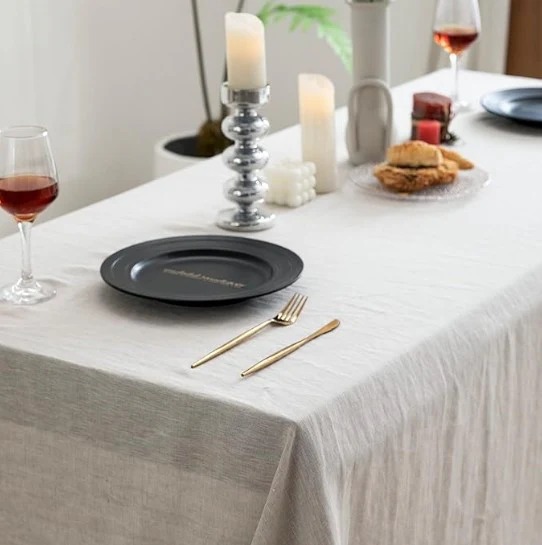
Why Layering Works So Well
A well-dressed table is not just about covering the surface. It is about creating depth, contrast, and a sense of intention. That is where a linen table runner comes into play. When layered over a tablecloth, it instantly adds dimension without making things feel overdone.
Think of it like styling an outfit. A base layer sets the tone, and then you build on it. In the same way, tablecloths act as the foundation, while runners bring in personality. This combination helps event planners avoid flat, one-note designs and instead create tablescapes that feel rich and thoughtfully styled.
Start with the Right Base Tablecloth
Before adding any runner, the tablecloth needs to do its job well. It should fit properly, drape evenly, and match the overall vibe of the event. Neutral tones like white, ivory, or soft gray are often a safe bet. They act like a blank canvas.
However, bold tablecloths can work too. You just need to balance them carefully. If the base is already loud, the runner should tone things down instead of competing for attention.
Fabric also matters. Smooth polyester gives a clean and modern feel. Cotton or textured linens feel more relaxed and organic. The choice sets the stage for how your linens table runners will stand out.
Play with Contrast for Visual Interest
Layering is all about contrast. Without it, the runner just blends in and loses its impact.
One easy trick is color contrast. A dark runner over a light tablecloth always pops. On the flip side, a soft pastel runner over a deeper base can feel subtle yet elegant.
Texture contrast works just as well. For example, pairing a matte tablecloth with a slightly textured or woven runner creates depth you can actually see. It adds that extra detail guests notice without quite realizing why the table looks so good.
Get the Length and Placement Right
Placement can make or break the look. Most commonly, a linen table runner is placed straight down the center of the table. This works for both round and rectangular setups. It keeps things balanced and clean.
For a more relaxed or creative setup, runners can be placed across the table width instead of lengthwise. This style works great for smaller tables or more casual events.
Length matters too. A runner that hangs slightly over the edges adds elegance. Too short, and it feels unfinished. Too long, and it starts looking messy. Aim for a neat drape that feels intentional.
Layering for Different Event Styles
Not every event calls for the same approach. That is where layering really shines.
For weddings, layering tends to lean romantic. Soft fabrics, gentle colors, and flowing runners are common. A light runner over a neutral tablecloth creates that dreamy, elegant vibe people love.
Corporate events, on the other hand, usually keep things sharp and minimal. Here, runners are often used to introduce brand colors or subtle accents. Clean lines and precise placement matter more than decorative flair.
Casual gatherings give you more freedom. You can mix patterns, try bold contrasts, or even go slightly off-center with your runner placement. It feels less rigid and more playful.
Mixing Patterns Without Overdoing It
Patterns can elevate a tablescape fast, but they can also overwhelm it. The trick is balance.
If the tablecloth has a pattern, the runner should stay simple. On the other hand, if the base is plain, a patterned runner can become the highlight.
Stripes, florals, or geometric prints all work, as long as they do not clash. Keep the color palette consistent so everything feels tied together. That way, the design looks curated instead of chaotic.
Adding Layers Beyond Runners
Layering does not stop at tablecloths and runners. You can build on it further with placemats, chargers, and centerpieces.
For example, a neutral tablecloth with a textured runner can be paired with metallic chargers for a touch of shine. Or you can add greenery along the runner to soften the look.
These extra elements should complement the runner, not compete with it. The goal is to create a cohesive setup where every layer feels connected.
Practical Benefits You Should Not Ignore
While layering looks great, it also serves practical purposes. A runner can protect the tablecloth from spills and stains in high-use areas. That is especially useful during long events or busy dinners.
It also makes quick changes easier. Instead of replacing the entire tablecloth, you can swap out runners to refresh the look. This is a smart move for multi-day events or venues that host different themes back to back.
So yes, layering is stylish, but it is also pretty functional when done right.
Common Mistakes to Avoid
Even simple layering can go wrong if not planned properly. One common mistake is using colors that clash instead of complement. This can make the table feel chaotic rather than refined.
Another issue is poor sizing. A runner that is too narrow or too wide throws off the balance. Always match the runner size to the table dimensions.
Over-layering is another trap. Adding too many textures, patterns, or colors can overwhelm the setup. Sometimes, less really does more.
Bringing It All Together
Layering a linen table runner with tablecloths is one of the easiest ways to upgrade any tablescape. It adds depth, enhances style, and gives you room to experiment without going overboard.
By choosing the right base, playing with contrast, and keeping placement clean, you can create a setup that feels polished and intentional. Whether it is a formal wedding or a casual event, this simple styling technique makes a noticeable difference.
At the end of the day, it is all about balance. When every layer works together, the table does not just look decorated. It feels complete.