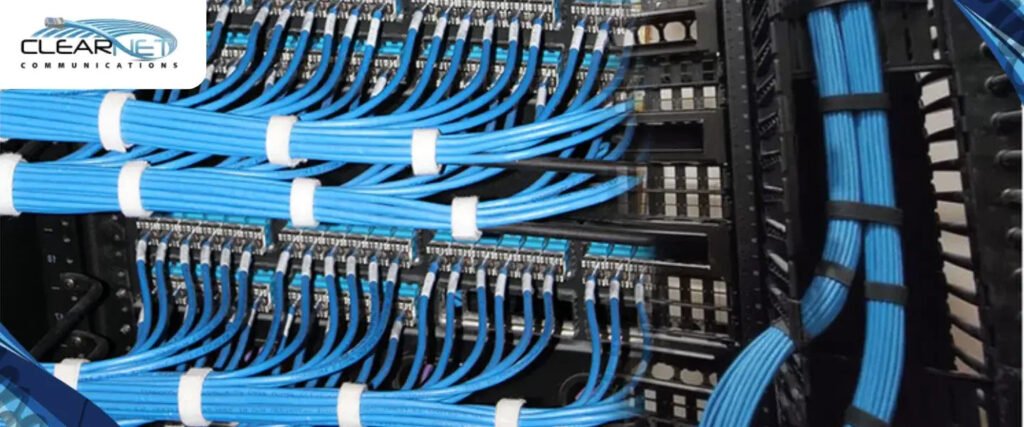
Ever wondered about the nuts and bolts of network cabling? Many find it confusing, especially when terms like IDF pop up. So, what does IDF mean? IDF stands for Intermediate Distribution Frame. It plays a key role in structured cabling systems. If you work with networks, you’ll bump into it. But don’t worry. I’ll break it down for you. We’ll explore what IDF means and how it fits into network cabling. By the end, you’ll know why it’s important and how it helps keep networks running smoothly. Let’s dive in!
What is IDF?
First things first, what does IDF mean? IDF stands for Intermediate Distribution Frame. It’s a fancy term for a network room or closet. This room houses networking equipment. Think of it as a mini-hub for your network. It connects to a larger hub called the MDF, or Main Distribution Frame. Imagine your home. The MDF is like the main circuit breaker. The IDF is like the smaller breaker boxes. They handle local circuits.
An IDF usually holds equipment like patch panels, switches, and routers. It helps distribute network cables to different parts of a building. This setup makes network management easier. For example, if there’s a problem, you don’t need to check the entire building. You can start at the IDF. Easy, right?
Why IDF Matters in Network Cabling
Now, why does this matter? Well, imagine a huge office building. Without IDFs, running cables becomes a nightmare. IDFs break the network into manageable chunks. This setup reduces cable clutter. It also helps with network performance. With shorter cable runs, you get better signal quality. That’s a win!
Think of a school campus. Each building might have its own IDF. They connect back to a central MDF. This setup allows quick fixes and easier upgrades. If a new classroom needs internet, you can connect it to the nearest IDF. Simple as that.
Components of an IDF
What’s inside an IDF? Good question. You’ll find patch panels, switches, and routers. Patch panels organize and connect cables. They act like junction boxes. Switches route data to devices. Routers connect different networks. Together, these elements ensure smooth data flow.
In a hospital, for instance, one IDF might handle patient records. Another might manage internet access. Each serves its purpose. This division keeps systems efficient and secure. Hospitals rely heavily on these setups for smooth operations.
How IDF and MDF Work Together
Alright, let’s look at how IDF and MDF work together. The MDF is the main hub. It connects to external networks. The IDF is a local hub. It connects to the MDF and spreads the network within a building. This structure is like a tree. The trunk is the MDF. The branches are the IDFs.
Consider a corporate office. The MDF sits in the main building. Each floor has an IDF. This setup ensures efficient data distribution. It also allows for quick network changes. Need to add a new department? Just adjust the IDF on that floor.
IDF Installation Best Practices
Planning to install an IDF? Here’s what you need to know. Location is key. Choose a central spot on each floor. This ensures equal cable lengths. Also, ensure proper ventilation. Equipment generates heat. Cooling systems are essential.
In a retail store, for example, placing the IDF near the checkout area makes sense. This location keeps the network close to point-of-sale systems. It minimizes downtime and enhances customer service.
Common IDF Mistakes to Avoid
Let’s talk about some common mistakes. First, don’t neglect cable management. Tangled cables lead to confusion. Use cable ties and labels. Second, avoid overloading power outlets. Too many devices can trip breakers. Third, ensure regular maintenance. Dust and wear can cause failures.
Imagine a busy call center. A poorly managed IDF could lead to downtime. Calls might drop, and customer satisfaction plummets. Avoid these pitfalls with proper setup and maintenance.
IDF and Emerging Technologies
How does IDF fit with new tech? As networks evolve, so does the IDF’s role. Take the Internet of Things (IoT). More devices mean more connections. IDFs help manage these efficiently. They ensure robust and fast connections.
In smart cities, for instance, IDFs help connect traffic lights, cameras, and sensors. This connectivity improves city services and safety. As technology grows, so will the demand for efficient IDF setups.
IDF Meaning in Different Industries
Different industries use IDFs in unique ways. In education, they support learning tools and resources. Schools use IDFs to manage computer labs and classroom tech. In healthcare, IDFs support patient data systems and medical devices. They ensure quick access to critical information.
Manufacturing plants also rely on IDFs. They connect machinery and control systems. This connectivity boosts productivity and safety. Each industry tailors its IDF setup to specific needs.
Future of IDF in Network Cabling
What’s next for IDFs? Expect more integration with smart technology. As networks become more complex, IDFs will play a pivotal role. They’ll handle increased data loads and support faster connections. Automation might also streamline maintenance.
Imagine a world where your network predicts failures before they happen. With advanced IDFs, this could be reality. They might even self-heal, reducing downtime. The future looks promising, but it requires investment and planning.
Frequently Asked Questions
What does IDF mean in networking?
IDF stands for Intermediate Distribution Frame. It’s a network room that helps distribute cabling within a building.
How does an IDF differ from an MDF?
An MDF connects to external networks, while an IDF distributes the network internally within a building.
Why is cable management important in an IDF?
Proper cable management prevents confusion and makes troubleshooting easier, saving time and reducing errors.
Can IDFs support IoT devices?
Yes, IDFs can efficiently manage the increased connections required by IoT devices, ensuring robust and fast data flow.