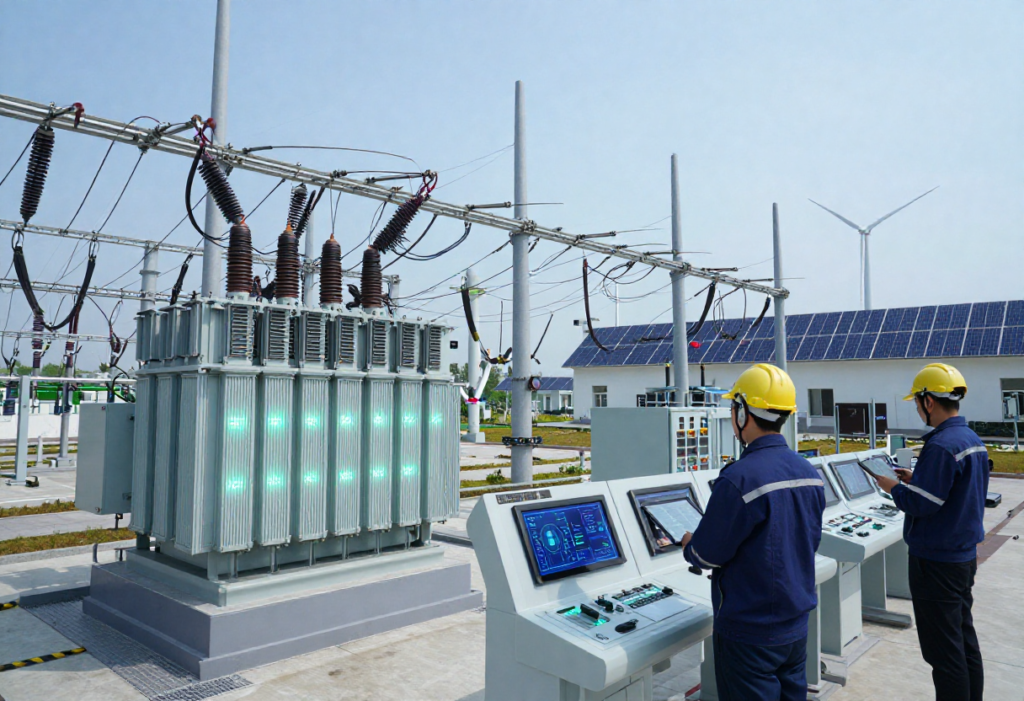
Modern power infrastructure depends on well-planned substations that ensure safe, reliable, and uninterrupted electricity delivery. While electrical systems often receive most of the attention, civil design plays an equally important role in the overall success of a substation project. From site preparation to structural stability and drainage planning, civil engineering forms the foundation that supports the entire electrical system.
A successful substation project is not only about installing transformers, switchgear, and protection systems. It also requires proper planning of foundations, roads, control buildings, cable trenches, and environmental protection measures. High-quality civil work helps utilities avoid delays, reduce maintenance costs, and improve long-term operational reliability.
This article explores how civil engineering contributes to substation performance and why it remains a critical part of modern infrastructure development.
Understanding Substation Civil Design
Substation civil design refers to the planning and construction of all physical and structural components required for a functioning electrical substation. It includes earthworks, grading, drainage systems, foundations, retaining walls, fencing, cable trenches, roads, and control buildings.
The main objective of civil engineering in substations is to create a stable and safe environment where electrical equipment can operate efficiently for decades. Engineers must carefully evaluate soil conditions, weather exposure, seismic activity, and environmental requirements before construction begins.
A strong civil foundation ensures that heavy electrical equipment remains secure and protected under all operating conditions. This directly supports efficient power substation design by improving safety, accessibility, and equipment lifespan.
Site Selection and Ground Preparation
One of the first steps in any substation project is selecting the right location. Civil engineers assess several factors before construction begins, including soil quality, flood risk, terrain conditions, and accessibility.
Poor site conditions can lead to foundation settlement, water accumulation, and structural instability. These issues may eventually damage expensive electrical equipment and increase operational risks.
Ground preparation involves leveling the site, compacting soil, and creating proper grading to support drainage systems. Effective drainage is essential because standing water can weaken foundations and create electrical hazards.
In areas with unstable soil, engineers may use reinforced foundations or soil stabilization methods to improve structural integrity. Proper preparation during the early stages reduces future maintenance and helps keep the project on schedule.
Structural Stability and Equipment Foundations
Substations contain heavy and sensitive equipment such as transformers, circuit breakers, steel structures, and bus supports. These components require carefully engineered foundations capable of handling both static and dynamic loads.
Civil engineers calculate load distribution, vibration resistance, and environmental impacts to design durable structures. In seismic zones, foundations must also withstand earthquake forces to prevent equipment damage and service interruptions.
Well-designed foundations contribute directly to the overall reliability of the substation engineering design process. They help minimize structural movement, reduce maintenance requirements, and improve equipment safety during extreme operating conditions.
Structural design also includes control buildings, firewalls, cable trenches, and steel support systems. Every component must comply with industry standards and local regulations to ensure long-term operational performance.
Drainage and Environmental Protection
Water management is one of the most important aspects of substation civil engineering. Without proper drainage systems, rainwater can collect around equipment foundations and underground cables, increasing the risk of corrosion and operational failures.
Civil engineers design stormwater channels, culverts, and drainage slopes to safely direct water away from critical infrastructure. In some projects, oil containment systems are also required to prevent environmental contamination from transformer leaks.
Environmental protection has become increasingly important in modern infrastructure projects. Engineers must consider erosion control, noise reduction, dust management, and sustainable construction practices throughout the project lifecycle.
Proper environmental planning not only protects nearby communities and ecosystems but also helps projects meet regulatory approvals more efficiently.
Improving Safety and Accessibility
Safety is a top priority in every substation project. Civil design plays a major role in creating safe working conditions for operators, maintenance teams, and construction personnel.
Substations require properly designed access roads, fencing, lighting systems, walkways, and emergency exits. Cable trenches and underground utilities must also be planned carefully to avoid operational hazards.
Good layout planning improves equipment accessibility and simplifies maintenance activities. Engineers ensure there is enough space between equipment for inspections, repairs, and future upgrades.
An effective design of electrical substation infrastructure supports operational efficiency while reducing workplace risks. Well-organized layouts also help reduce downtime during maintenance or emergency situations.
Supporting Long-Term Reliability and Expansion
Power demand continues to grow as industries, cities, and renewable energy projects expand worldwide. Modern substations must therefore be designed with future scalability in mind.
Civil engineers often include provisions for future equipment expansion, additional bays, and upgraded control systems during the initial design stage. Planning ahead helps utilities avoid costly reconstruction work later.
Durable civil infrastructure also improves long-term reliability by reducing structural deterioration and environmental damage. Properly built substations can operate efficiently for decades with minimal repair costs.
Lifecycle cost savings are another important benefit. Investing in high-quality materials and engineering during construction often reduces operational expenses over the long term.
Reliable infrastructure ultimately improves grid performance and ensures uninterrupted electricity supply for residential, commercial, and industrial users.
Coordination Between Civil and Electrical Teams
Successful substation projects depend on strong collaboration between civil and electrical engineering teams. Civil engineers must coordinate closely with electrical designers to ensure foundations, cable routes, and equipment layouts align correctly.
Poor coordination can lead to construction delays, design conflicts, and costly modifications during installation. Integrated project planning helps improve efficiency and keeps projects within budget.
Modern engineering firms increasingly use digital modeling and 3D design tools to improve collaboration between disciplines. These technologies help teams identify potential issues early and optimize overall project performance.
Effective communication between departments ensures that both structural and electrical requirements are fully integrated into the final design.
Conclusion
Substation civil engineering is a critical factor in the success of any power infrastructure project. Strong foundations, effective drainage systems, safe layouts, and durable structures all contribute to reliable and efficient substation operation.
While electrical systems control power transmission and distribution, civil infrastructure provides the stability and protection needed for those systems to perform effectively. Poor civil planning can lead to operational failures, safety risks, and expensive maintenance problems.
As energy demand continues to grow, utilities and developers must prioritize high-quality civil engineering during every stage of substation development. A well-executed civil design not only improves project success but also supports long-term reliability, safety, and future expansion opportunities.
By combining technical expertise, careful planning, and modern engineering practices, substations can continue to deliver dependable power for decades to come.