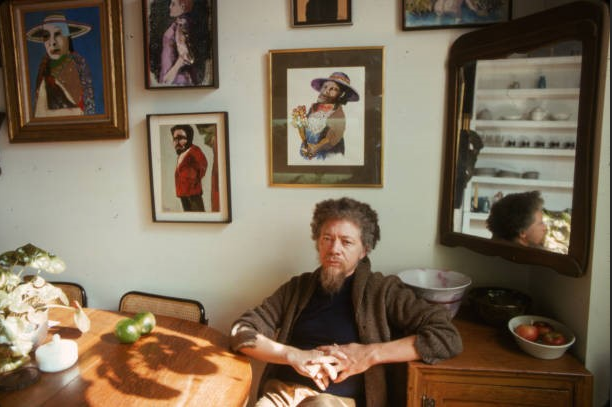
Portrait art does more than fill an empty wall: it gives a home a point of view. Across the United States, homeowners are using faces of relatives, admired figures, and beloved pets to make rooms feel layered rather than staged.
The best place to display portrait art depends on sightlines, scale, light, and the story a room already tells. Whether a home is a compact city apartment or a sprawling suburban house, thoughtful placement turns a single image into a memorable part of everyday living.
Key Takeaways
- Living rooms make portraits natural focal points.
- Entryways create an immediate personal welcome.
- Bedrooms suit intimate, meaningful subjects.
- Offices and dining rooms reward thoughtful scale.
- Light, spacing, and framing protect visual impact.
Where US Citizens Display Portrait Art at Home
-
The Living Room: A Natural Focal Point
Living rooms remain the most common stage for portrait work because guests and household members see it repeatedly. Hang a single larger work over a sofa, console, or fireplace mantel, but leave 6 to 10 inches between the furniture and frame. A portrait at eye level, about 57 inches from the floor to the center, feels intentional instead of floating.
To display portrait art above a mantel, choose a piece that can hold its own against stone, tile, or millwork. Warm-toned watercolor prints soften modern rooms, while graphic portraits of people add contrast in neutral spaces. Avoid matching every frame; a shared mat color or frame finish is enough to make an arrangement feel coherent.
-
Entryways and Hallways: Personal First Impressions
An entryway introduces a home’s personality in seconds. A vertical portrait beside a front door, above a slim bench, or at the end of a short hall provides a clear visual welcome. Use picture lights or nearby lamps where daylight is limited, and select UV-filtering glazing if direct sun reaches the wall.
Small halls invite a thoughtful series rather than one oversized piece. Arrange two or three edition prints in a straight line or close grid, keeping their centers aligned. To display portrait art in a passageway, favor calm backgrounds and consistent framing so the collection reads as a destination rather than visual clutter.
-
Bedrooms: Art With Personal Meaning
Bedrooms are ideal for portraits that feel personal rather than performative. Above a dresser, a relaxed figure study or cat painting can establish a softer mood than traditional landscape art. Keep the palette connected to bedding or curtains, but do not force an exact color match; subtle contrast creates welcome depth.
Consider what the image communicates at the beginning and end of each day. A couple might place inherited family people portraits near a reading chair, while a parent may hang a child’s commissioned image above a dresser rather than directly over the bed. To display portrait art here, use nonreflective glass and avoid heavy pieces above pillows.
-
Home Offices and Dining Rooms: Overlooked Opportunities
Home offices and dining rooms offer strong but often overlooked opportunities. In an office, one expressive portrait across from the desk can create a productive, gallery-like backdrop for video calls without competing with the screen. In a dining room, portraits work especially well on the wall visible from seated positions, where guests have time to notice details.
Build scale from the room’s architecture. A broad blank wall can support a salon grouping that combines watercolor prints and editioned prints; a narrow wall needs a single vertically oriented work. To display portrait art successfully, first map the frame edges with painter’s tape, then assess spacing from every doorway and chair.
Conclusion
Portrait art works best when it feels connected to the rhythm of a household, not merely placed to fill space. Start with the room you use most, study its light and daily traffic, and let the subject guide the mood. Then test placement before committing to hardware.
When you display portrait art with attention to proportion, preservation, and personal meaning, every room gains a more recognizable sense of home. Explore original and printed options with our team to find pieces that belong in your story.
FAQs
What frame material works best for portrait art?
Wood frames bring warmth and suit traditional interiors, while metal frames complement cleaner, contemporary rooms. Choose the material that supports the artwork’s style rather than following a room-wide rule.
Can portrait art be displayed in a bathroom?
Yes, if humidity is controlled. Use sealed framing, archival materials, and proper ventilation. Avoid placing valuable originals directly near showers, tubs, or sinks.
How should unused portrait prints be stored?
Store prints flat in acid-free sleeves or archival boxes. Keep them in a dry, temperature-stable area away from attics, basements, and direct sunlight.
Should original portrait art be insured?
High-value original work should be photographed, documented, and added to a homeowner’s or renter’s insurance policy when appropriate. An appraisal may be necessary for adequate coverage.
Can commissioned portrait art be reproduced later?
It depends on the agreement with the artist. Buyers usually own the physical artwork, while artists often retain reproduction rights unless a written license says otherwise.