Ponderosa Pine Pollen
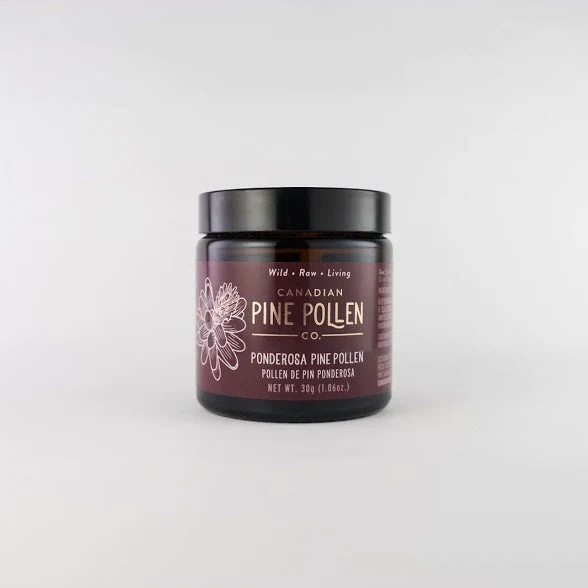
Ponderosa pine pollen is a naturally occurring plant material collected from the male cones of the ponderosa pine tree (Pinus ponderosa). Traditionally used as a botanical food and wellness ingredient, pine pollen has attracted interest because it contains protein, amino acids, vitamins, minerals, fatty acids, and plant compounds. Today, it is available in several forms, including powder, capsules, tinctures, and extracts.
While research into ponderosa pine pollen specifically is still developing, pine pollen in general has been studied for its nutritional and antioxidant properties. It is important to understand what is currently known, how it may be used, and what limitations exist before adding it to a daily wellness routine.
What Is Ponderosa Pine Pollen?
Ponderosa pine is a large evergreen tree native to western regions of North America. Like other pine species, it produces pollen from its male reproductive structures. The pollen is a fine, yellowish powder that can be collected during the tree’s pollination season.
Ponderosa pine pollen is sometimes marketed as a functional food or natural supplement. It can be consumed on its own or incorporated into foods and beverages. Some products use raw or minimally processed pollen, while others are concentrated into extracts.
The nutritional composition can vary depending on the pine species, growing environment, harvesting conditions, and processing method. Therefore, products labeled simply “pine pollen” should not automatically be assumed to have the same composition as pollen specifically sourced from ponderosa pine.
Nutritional Profile of Pine Pollen
One reason pine pollen has gained attention is its diverse nutritional profile. Studies of pine pollen from different species have identified proteins, amino acids, carbohydrates, lipids, vitamins, minerals, and various bioactive plant compounds.
Protein is particularly interesting because pollen contains amino acids that plants require for growth and reproduction. Pine pollen also contains compounds with antioxidant activity, although the amounts and biological effects can differ substantially between species and products.
Some pine pollen products may contain minerals such as calcium, magnesium, potassium, and zinc. However, the nutritional value of a supplement depends on the serving size and processing method. Pine pollen should not be considered a replacement for a balanced diet.
Potential Antioxidant Properties
Pine pollen contains naturally occurring compounds that may have antioxidant activity. Antioxidants help protect cells from oxidative stress caused by unstable molecules known as free radicals.
Laboratory studies involving pine pollen extracts have investigated their ability to neutralize free radicals and protect biological materials from oxidative damage. These findings are interesting, but laboratory antioxidant activity does not necessarily mean that consuming pine pollen will produce the same effect in humans.
More human research is needed to determine whether regular consumption of ponderosa pine pollen provides meaningful antioxidant benefits.
Ponderosa Pine Pollen and General Wellness
Pine pollen is sometimes promoted for energy, vitality, healthy aging, immune support, and overall wellness. These claims are often based on its nutritional content or traditional use rather than strong clinical evidence.
Because pine pollen contains nutrients and plant compounds, it may fit into a varied diet as a supplemental food. However, it is best viewed as one component of an overall healthy lifestyle rather than a treatment for a specific health condition.
A balanced diet containing vegetables, fruits, whole grains, legumes, nuts, seeds, and adequate protein remains the foundation of good nutrition.
How Is Ponderosa Pine Pollen Used?
Ponderosa pine pollen is available in several forms. The most common include:
Pine Pollen Powder
Powder is one of the simplest forms. It can be mixed into smoothies, yogurt, oatmeal, or other foods. Because the flavor can be mild and earthy, it can often be incorporated into recipes without dramatically changing their taste.
Capsules
Capsules provide a convenient way to consume a measured amount. They are particularly useful for people who do not enjoy the texture or flavor of pollen powder.
Tinctures and Extracts
Liquid tinctures and concentrated extracts are also available. Processing can change the concentration and availability of different compounds, so the recommended serving size may vary considerably between products.
Consumers should always follow the instructions provided by the manufacturer and avoid assuming that different pine pollen products are interchangeable.
Possible Benefits of Pine Pollen
Research into pine pollen is ongoing, and evidence for specific health benefits remains limited. Nevertheless, researchers have investigated several areas of potential interest.
Nutritional support: Pine pollen contains a variety of nutrients and plant compounds that may contribute to overall dietary diversity.
Antioxidant activity: Certain compounds found in pine pollen extracts have demonstrated antioxidant activity in laboratory research.
Plant-based protein: Pine pollen contains protein and amino acids, although it should not be regarded as a primary protein source.
Traditional wellness use: Pine pollen has a history of traditional use in some cultures as a nutritional and botanical ingredient.
It is important to distinguish between potential biological activity observed in laboratory research and proven health outcomes in humans.
Is Ponderosa Pine Pollen the Same as Other Pine Pollen?
No. This distinction is important.
There are hundreds of pine species, and their pollen can differ in chemical composition. Research conducted on one species cannot automatically be applied to another. Studies of Korean red pine, Scots pine, masson pine, or other species may provide useful background information about pine pollen generally, but they do not necessarily establish the same effects for ponderosa pine pollen.
When purchasing a product, check the label for the botanical source and ingredient information. Reputable manufacturers should clearly identify the ingredients and provide appropriate quality information.
Choosing a Quality Product
If you decide to try ponderosa pine pollen, product quality should be a priority. Look for products that clearly identify the pine species, provide ingredient and serving information, and are produced under appropriate quality-control standards.
Third-party testing can provide additional reassurance about product identity, purity, and potential contaminants. This can be particularly relevant for botanical products because raw plant materials can vary depending on where and how they are harvested.
Avoid products that make dramatic promises such as curing diseases, reversing aging, or replacing prescribed medical treatment. Such claims are not consistent with the current level of scientific evidence.
Safety and Possible Allergies
Pine pollen is a natural product, but natural does not automatically mean risk-free. People with pollen allergies may want to exercise particular caution before consuming it.
Possible allergic reactions can include itching, rash, swelling, digestive symptoms, or breathing difficulties. Anyone who experiences symptoms of a serious allergic reaction should seek immediate medical attention.
People who are pregnant or breastfeeding, have significant medical conditions, take prescription medications, or are considering pine pollen for a specific health purpose should speak with a qualified healthcare professional before using concentrated supplements.
It is also important to remember that supplements can differ considerably in strength and purity.
Ponderosa Pine Pollen vs. Pine Bark
Ponderosa pine pollen and pine bark are completely different botanical materials. Pollen comes from the male reproductive structures of the tree, while pine bark refers to the outer protective tissue of the trunk and branches.
Both contain plant compounds, but their chemical profiles and traditional uses differ. Research on pine bark extracts should therefore not automatically be used as evidence for pine pollen.
This distinction is especially important when evaluating online health claims, where different pine-derived ingredients are sometimes discussed as though they were identical.
How to Incorporate Pine Pollen Into a Diet
Pine pollen powder can be used in simple recipes. A small amount may be blended into a fruit smoothie, stirred into yogurt, mixed with oatmeal, or incorporated into energy bites.
When using a new botanical ingredient, start with the manufacturer’s recommended serving rather than assuming that larger amounts provide greater benefits. More is not necessarily better, particularly with concentrated extracts.
Pine pollen should complement a nutritious eating pattern rather than replace nutrient-rich whole foods.
What Does the Research Say?
Scientific interest in pine pollen has increased, particularly around its nutritional composition, antioxidant properties, and bioactive compounds. However, much of the available evidence comes from laboratory, animal, or analytical studies rather than large, well-controlled human clinical trials.
For ponderosa pine pollen specifically, the evidence base is considerably smaller than the marketing surrounding the ingredient might suggest. More research is needed to establish appropriate doses, long-term safety, absorption, and clinically meaningful benefits.
Consumers should therefore approach strong health claims with caution and distinguish preliminary research from established medical evidence.
Final Thoughts
Ponderosa pine pollen is an interesting botanical ingredient containing protein, amino acids, minerals, and other naturally occurring plant compounds. Its nutritional composition and potential antioxidant properties have made pine pollen increasingly popular among people interested in natural and plant-based wellness products.
However, research specifically focused on ponderosa pine pollen remains limited. Potential benefits should not be confused with proven medical effects, and pine pollen should not replace a balanced diet or professional medical treatment.
If you choose to use ponderosa pine pollen, select a reputable product, follow the recommended serving instructions, and consider potential allergies or interactions. Used appropriately, it can be an interesting addition to a varied wellness routine while ongoing research continues to clarify its nutritional and biological properties.