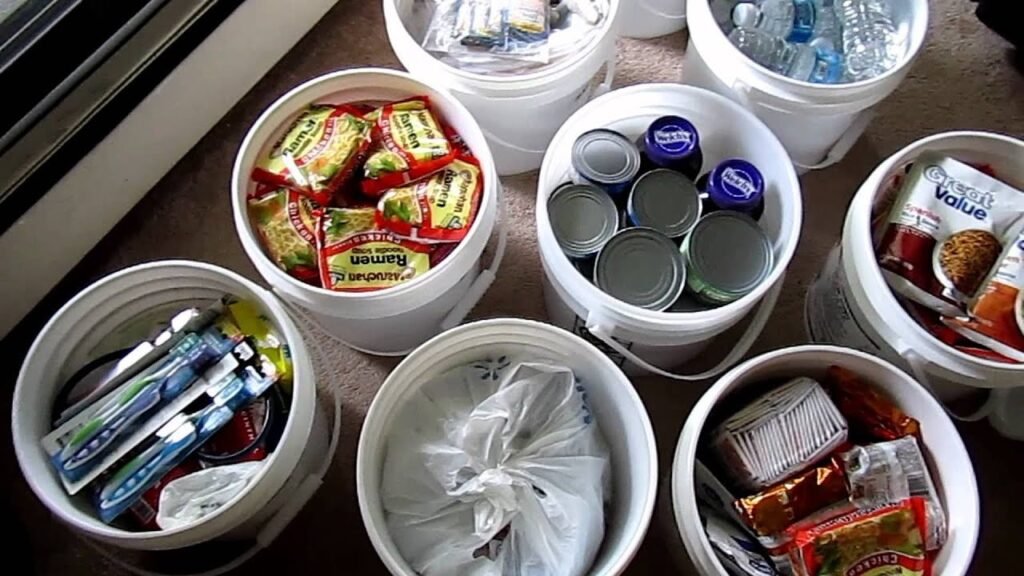
Food-grade buckets serve many purposes across food processing, catering, agriculture, hospitality, and commercial storage. However, not every plastic bucket provides the same level of safety, durability, or performance. Buyers should evaluate several factors before placing a large order. Understanding material specifications, design features, capacity, and supplier quality can help businesses choose reliable food grade plastic buckets for their applications.
Verify Food-Contact Safety
The first consideration should always be whether the bucket is suitable for direct food contact. Food-grade packaging requires appropriate materials and manufacturing processes to help prevent contamination.
Ask the supplier for documentation showing that the plastic meets relevant food-contact requirements for the intended market. This documentation can provide greater confidence that the buckets are appropriate for storing or handling food products.
Check the Manufacturing Process
Material safety depends on more than the plastic itself. Manufacturing conditions, additives, pigments, and other components can influence suitability.
Ask whether the buckets are manufactured specifically for food-contact applications and whether the supplier maintains consistent quality-control procedures.
Select the Right Plastic Material
Different plastics offer different levels of strength, flexibility, chemical resistance, and temperature performance. The right choice depends on what the bucket will contain and how it will be used.
For example, some applications may require strong resistance to impacts, while others may prioritize flexibility or resistance to oils and cleaning chemicals. Discuss the intended use with the manufacturer before selecting a material.
Choose the Appropriate Capacity
Food-grade buckets come in various sizes, allowing businesses to select packaging based on product volume and handling requirements. Smaller buckets can suit ingredients or retail products, while larger formats may work better for commercial food processing.
Consider both the volume of the contents and the physical weight of a filled bucket. A container that holds a large quantity may become difficult to lift or transport when full.
Think About Storage Efficiency
Bucket dimensions can affect warehouse and transportation requirements. Stackable or nestable designs can help businesses use available storage space efficiently.
Before ordering, determine how many empty and filled buckets can be safely stacked and how they will fit into your storage areas or delivery systems.
Evaluate Durability
Buckets should remain strong throughout filling, handling, transportation, storage, and repeated use if the application requires reusable packaging.
Inspect the bucket’s walls, base, rim, and handles. These areas experience significant stress during everyday handling. A durable design can reduce the risk of cracks, deformation, and product loss.
Check Handle Strength
Handles should support the expected weight of a filled bucket. Test the handle attachment points and consider how employees or customers will carry the container.
A comfortable handle can also improve workplace efficiency and reduce difficulties during manual handling.
Review Lid and Closure Options
A secure lid helps protect food from dust, moisture, contaminants, and accidental spills. The closure should fit the bucket properly and remain secure during transportation.
Different applications may require snap-on lids, tamper-evident closures, or other specialized designs. Determine which option best matches your product and distribution requirements.
Consider Temperature Resistance
Food products may encounter different temperatures during processing, storage, transportation, and cleaning. The selected bucket should perform reliably within the expected temperature range.
If the bucket will hold hot ingredients, frozen products, or refrigerated foods, discuss these conditions with the manufacturer. Temperature exposure can affect plastic strength and dimensional stability.
Plan for Branding and Identification
Food packaging can also support brand visibility. Custom colors, labels, printing, and other decoration methods can turn a basic bucket into a recognizable product package.
If you plan to add branding, determine whether the bucket surface supports your preferred printing or labeling method. Also reserve adequate space for ingredients, product information, barcodes, and other required details.
Consider Reusability and Sustainability
Some businesses need disposable buckets, while others prefer reusable containers. Determine how frequently the bucket will be reused and what cleaning processes it will experience.
For sustainability goals, consider material efficiency, recyclability, and product lifespan. A durable reusable bucket may provide value over multiple applications, depending on the intended use and applicable food-safety practices.
Evaluate the Supplier
Supplier reliability matters when ordering packaging in large quantities. Review production capacity, quality-control procedures, customization options, minimum order quantities, and lead times.
Ask for samples before placing a major order. Testing physical samples can help you evaluate dimensions, durability, lid fit, handle strength, and overall usability.
Make an Informed Purchase
Choosing food grade plastic buckets requires more than comparing prices. Buyers should verify food-contact suitability, select the right material and capacity, evaluate durability, check closure performance, consider temperature requirements, and review customization options.
A reliable supplier should be able to answer technical questions and provide appropriate documentation. By carefully checking these factors before ordering, businesses can select food-grade buckets that protect products, support efficient handling, and provide dependable performance throughout storage and distribution.