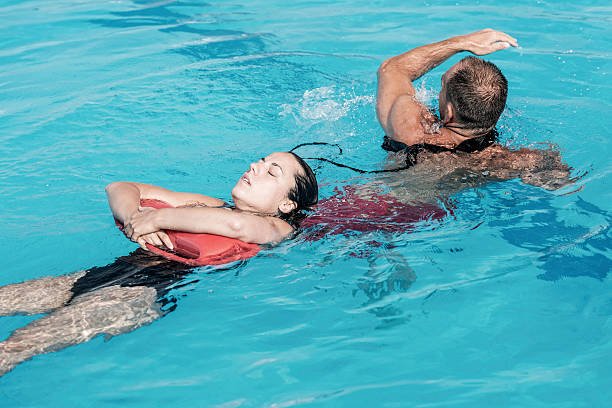
Water safety is a responsibility that requires knowledge, preparation, and the ability to respond quickly when an emergency occurs. Whether at a swimming pool, beach, water park, or recreational facility, lifeguards play an essential role in protecting swimmers and preventing accidents. For individuals interested in entering this important profession, enrolling in a professional lifeguard course is an excellent starting point.
The American Lifeguard Association (ALA) is a recognized name in lifeguard education and aquatic safety. Its lifeguard course training options provide an opportunity for individuals to explore essential lifeguarding knowledge, understand rescue responsibilities, and learn about certification pathways. Selecting an appropriate course can help aspiring lifeguards prepare for the challenges of supervising aquatic environments and responding to unexpected situations.
What Is a Lifeguard Course?
A lifeguard course is a structured training program designed to develop the knowledge and practical abilities needed for aquatic supervision and emergency response. Participants learn how to recognize potential hazards, identify swimmers in distress, and understand the procedures used to manage water-related emergencies.
Depending on the program, training may cover swimming skills, water rescue techniques, CPR, first aid, AED use, and emergency action plans. Students may also study surveillance, communication, and teamwork, which are important parts of maintaining a safe swimming environment.
The course format can vary between providers. Some programs combine online learning with practical sessions, while others require classroom instruction and supervised water-based assessments. Before enrolling in an ALA lifeguard course, candidates should review the specific program details to understand its learning requirements and certification conditions.
Why Consider ALA Lifeguard Courses?
Choosing a suitable training provider is an important decision for anyone pursuing lifeguarding. The American Lifeguard Association offers a starting point for exploring training and certification options related to aquatic safety.
Here are several important factors to consider when evaluating an ALA lifeguard course.
1. Build Water Safety Awareness
Understanding water hazards is essential for preventing accidents. Training helps participants recognize unsafe behavior, identify potential risks, and appreciate the importance of constant supervision. These lessons encourage a prevention-focused approach to lifeguarding.
2. Understand Rescue Procedures
Lifeguards must know how to respond when someone experiences difficulty in the water. A suitable course introduces participants to rescue principles and emphasizes the importance of following established procedures while protecting their own safety.
3. Develop Emergency Response Knowledge
Emergencies require organized action rather than panic. Depending on the program, students may learn about CPR, first aid, AED use, and other emergency response procedures. These skills can help prepare participants to assist people experiencing medical emergencies.
4. Improve Communication and Teamwork
Lifeguards often work with other staff members to maintain safety. Training helps participants understand how to communicate clearly, follow instructions, report hazards, and coordinate their responsibilities during an emergency.
Essential Skills Covered in a Lifeguard Course
A comprehensive lifeguard training program develops several skills that support safe and effective aquatic supervision.
Water rescue skills: Participants learn the principles behind assisting swimmers in distress. Practical instruction may include appropriate rescue equipment and techniques selected according to the training program.
Surveillance and observation: Lifeguards need to maintain attention throughout their shifts. Training explains how to monitor swimming areas, recognize signs of distress, and identify hazards before they lead to serious incidents.
CPR and first aid: Depending on the course, participants may learn how to respond to breathing emergencies, injuries, and other urgent medical situations. Current, appropriate training is essential when developing these skills.
Emergency planning: Students learn why facilities need clear emergency procedures, accessible equipment, and coordinated responses. Understanding these plans can help lifeguards act more effectively when incidents occur.
Professional responsibility: Lifeguards must remain alert, follow facility rules, maintain professional conduct, and communicate safety instructions clearly. These responsibilities are central to protecting swimmers.
Who Should Enroll in a Lifeguard Course?
Lifeguard courses may suit students, swimming enthusiasts, seasonal job seekers, and individuals interested in aquatic safety careers. Potential workplaces include swimming pools, hotels, resorts, fitness centers, water parks, and recreational facilities.
However, enrollment requirements vary by program. Candidates may need to meet minimum age requirements, demonstrate swimming proficiency, satisfy physical fitness standards, or complete prerequisite training.
Anyone considering an ALA lifeguard course should check the official program information before registering. Confirming eligibility in advance can prevent unnecessary delays and help candidates choose a course appropriate for their experience and goals.
How to Prepare for Lifeguard Training
Preparation can make the training experience more productive. Start by practicing swimming techniques and building endurance, especially if the course includes a swimming assessment. Review the required swimming distances, timed activities, and other prerequisites listed by the training provider.
Candidates should also understand the course schedule, attendance requirements, assessment methods, and necessary equipment. If the program includes online learning, completing the required study materials before practical sessions can help students understand the lessons more effectively.
During training, pay close attention to instructors, participate actively, and take feedback seriously. Lifeguarding involves practical responsibilities, so students should focus on understanding procedures rather than simply memorizing information.
Career Opportunities After Completing a Lifeguard Course
Completing an appropriate lifeguard course can help candidates prepare for entry-level opportunities in aquatic safety. Swimming pools, leisure centers, resorts, water parks, and other recreational facilities may employ trained lifeguards to supervise swimmers and support safety procedures.
Nevertheless, completing a course does not automatically guarantee employment. Job opportunities depend on local regulations, employer expectations, practical abilities, and the certification required for a particular position. Some workplaces may require additional qualifications or specialized training.
A lifeguard course can also help participants develop transferable professional skills, including responsibility, communication, teamwork, observation, and decision-making.
Frequently Asked Questions (FAQs)
1. What is taught in an ALA lifeguard course?
Course content depends on the specific program but may include water safety, rescue principles, surveillance, emergency procedures, CPR, and first aid.
2. Do I need swimming skills before enrolling?
Most professional lifeguard programs require a suitable level of swimming ability. Check the course’s specific prerequisites and assessment requirements before registration.
3. Does completing a lifeguard course guarantee certification?
No. Certification depends on meeting the program’s attendance, assessment, practical skills, and other applicable requirements.
4. Can lifeguard training help me find employment?
Appropriate training can help prepare you for lifeguard positions, but employment depends on employer requirements and the credentials accepted at the workplace.
5. How do I select the right ALA lifeguard course?
Visit the official American Lifeguard Association website and review course eligibility, training format, practical assessments, certification conditions, and acceptance by your intended employer.
Final Thoughts
A professional lifeguard course provides an important foundation for understanding water safety, preventing accidents, and preparing for emergencies. By developing observation, communication, rescue, and emergency response skills, participants can better understand the responsibilities involved in protecting swimmers.
The American Lifeguard Association (ALA) is a useful starting point for exploring lifeguard education and available certification options. Before enrolling, review the specific course requirements and confirm that the program meets your professional goals.