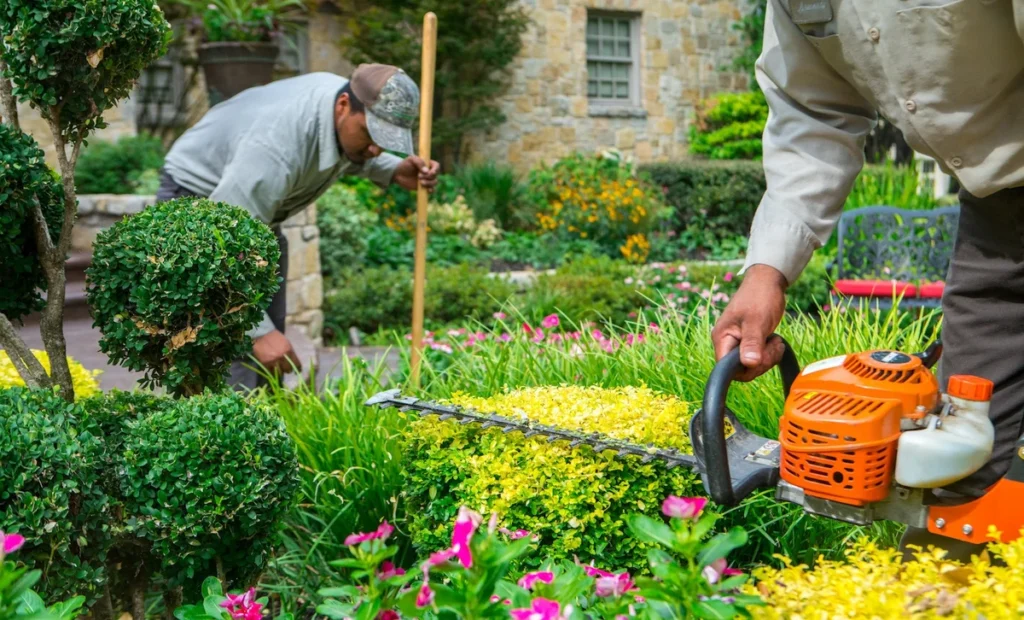
Landscape Maintenance Weatherford TX
Trees and shrubs are among the most valuable features in a Weatherford landscape, providing shade, privacy, structure, and seasonal color. However, even healthy plants can become overgrown when branches are left unmanaged for too long. Proper pruning is not simply about making plants look neat; it can also help maintain their natural form and remove damaged or unwanted growth. For homeowners, understanding basic pruning principles is an important part of Landscape Maintenance Weatherford TX and long-term property care.
Why Proper Pruning Matters for Weatherford Landscapes
Pruning can serve several different purposes depending on the plant and its condition. Removing dead, broken, or diseased branches can improve the overall appearance of a tree or shrub and may reduce the presence of damaged growth. Selective trimming can also help maintain clearance around walkways, windows, structures, and other parts of the property. The goal should be controlled, purposeful pruning rather than removing large amounts of healthy growth simply to create a particular shape.
Weatherford’s climate can expose landscape plants to heat, drought, storms, and rapid changes in growing conditions. These environmental stresses make it especially important to avoid unnecessary or excessive pruning. Removing too much foliage can reduce the plant’s ability to produce energy and may leave branches more exposed to intense sunlight. A knowledgeable Landscape Maintenance Weatherford TX professional considers plant species, age, health, growth habit, and seasonal timing before deciding how much material should be removed.
Knowing What to Prune From Trees and Shrubs
Not every branch needs to be removed simply because it looks different from the rest of the plant. Start by looking for dead, broken, crossing, rubbing, or poorly positioned branches. Water sprouts and suckers may also require attention in certain plants, although their presence can sometimes indicate stress or previous improper pruning. For shrubs, selective removal of older or damaged stems may help preserve a more natural and balanced appearance.
Homeowners should be especially cautious when pruning mature trees. Large branches can be heavy and difficult to control, and cutting near utility lines or elevated areas can create significant safety hazards. Trees should also not be topped simply to reduce their height because indiscriminate removal of major limbs can damage the tree’s structure and encourage problematic regrowth. When substantial branches require removal, professional tree-care expertise is generally the safer choice.
Choosing the Right Time to Prune
Pruning timing depends heavily on the species and the reason for trimming. Many deciduous trees are commonly pruned during dormant periods, when their leaves have dropped and their structure is easier to evaluate. However, flowering shrubs and trees may have different requirements because pruning at the wrong time can remove developing flower buds. Evergreen plants may also require a different approach from deciduous varieties.
Weather conditions should also influence pruning decisions in North Texas. Extreme heat and drought can place additional stress on plants, making heavy pruning less desirable during challenging periods. Instead of following a single universal pruning calendar, homeowners should identify the plant first and determine its growth cycle. This species-specific approach is one of the most important principles of responsible Landscape Maintenance Weatherford TX.
Use the Correct Pruning Technique
Clean cuts are essential when branches need to be removed. Hand pruners, loppers, and pruning saws should be appropriate for the size of the branch and maintained in good condition. Cutting too close to the trunk or leaving unnecessarily long stubs can interfere with the plant’s natural ability to compartmentalize and respond to the wound. Branches should generally be removed with an understanding of the branch collar and the tree’s natural structure rather than through arbitrary cuts.
Avoid making large cuts when a smaller, more selective cut will accomplish the same objective. For young trees, structural pruning can help establish a balanced framework, but it should be performed conservatively. Shrubs may be shaped through thinning or selective heading depending on the plant’s natural growth pattern. A professional familiar with local landscape species can provide better results when homeowners are uncertain about technique or are dealing with valuable mature plants.
Pruning Shrubs Without Over-Trimming
Shrubs are frequently damaged by excessive shearing because homeowners sometimes attempt to maintain an artificially uniform shape. While certain formal hedges can be maintained through regular shearing, many flowering and ornamental shrubs benefit from a more natural approach. Selective thinning can allow light to penetrate deeper into the plant while removing older or undesirable stems. This technique can create a healthier-looking structure without turning the shrub into a dense outer shell of foliage.
Timing is particularly important for flowering shrubs. Plants that bloom on older wood may lose flowers if they are pruned at the wrong time, while plants that flower on new growth may tolerate pruning during a different portion of the year. Learning whether a shrub flowers on old or new growth can prevent unnecessary loss of blooms. Good pruning is therefore less about cutting frequently and more about understanding how a particular plant grows.
Coordinate Pruning With Irrigation and Landscape Care
Pruning should be considered part of the property’s overall maintenance system rather than an isolated task. Plants that are already stressed by poor irrigation, compacted soil, pests, or disease may respond differently to significant trimming. If trees and shrubs repeatedly show drought stress, homeowners should examine whether the irrigation system is providing adequate and appropriate coverage. Uneven watering can contribute to weak growth, while excessive irrigation can create its own set of landscape problems.
Irrigation components should be inspected periodically for leaks, clogged heads, damaged lines, and uneven coverage. When system failures are affecting landscape plants, timely Irrigation Repair Weatherford TX can help restore appropriate water distribution. Correct irrigation does not eliminate the need for proper pruning, but it can support healthier plant growth between maintenance visits. Coordinating irrigation, soil care, pruning, mulching, and general cleanup creates a more complete approach to landscape management.
When to Call a Professional for Pruning
Simple shrub trimming and removal of small dead branches may be manageable for experienced homeowners with appropriate tools. However, professional assistance becomes increasingly valuable when branches are large, high, damaged, close to structures, or located near electrical lines. A qualified professional can evaluate the tree’s structure and determine which branches should be removed without unnecessarily compromising its health. Safety should always take priority over attempting a difficult pruning project without suitable equipment or experience.
Professional Landscape Maintenance Weatherford TX services can also provide consistency for homeowners with larger properties or numerous trees and shrubs. Regular inspections can identify damaged branches, overgrown vegetation, clearance issues, and signs of declining plant health before they become larger concerns. Reputable professionals should explain the recommended work and avoid unnecessary pruning simply to increase the amount of material being removed. Combining knowledgeable pruning with proper Irrigation Repair Weatherford TX when needed can help maintain healthier and more attractive landscapes throughout the changing North Texas seasons.
Building a Practical Pruning Routine
A successful pruning routine begins with observation. Walk around the property periodically and look for dead branches, storm damage, excessive growth, blocked pathways, and shrubs that have lost their natural shape. Instead of trimming everything on the same schedule, prioritize plants according to species, condition, growth rate, and purpose. Keeping basic records of when major trees and shrubs were pruned can also help homeowners avoid unnecessary work and improve future maintenance decisions.
The best landscape results usually come from small, informed maintenance actions performed consistently rather than aggressive seasonal cutbacks. Proper pruning can preserve plant structure, improve appearance, and keep vegetation from interfering with parts of the property. Weatherford homeowners should remember that every tree and shrub has different requirements, so generic pruning rules should be treated as starting points rather than universal instructions. With thoughtful Landscape Maintenance Weatherford TX practices, appropriate pruning techniques, and dependable Irrigation Repair Weatherford TX when irrigation issues arise, homeowners can keep their outdoor spaces healthier, safer, and visually appealing year after year.