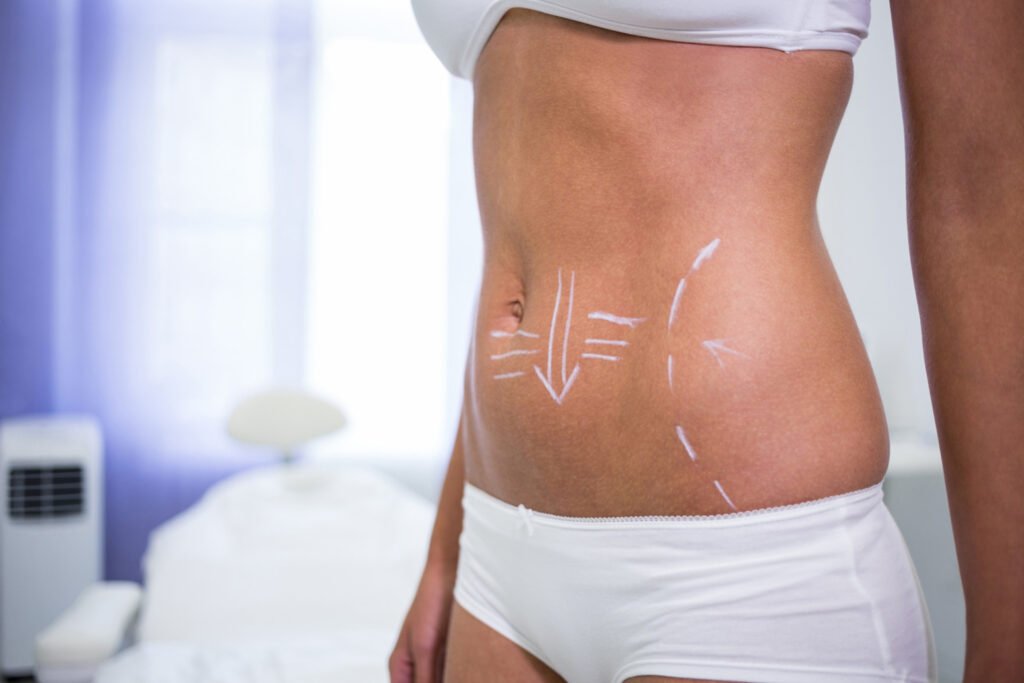
Tummy Tuck Surgery Dubai is a body-contouring procedure designed to reshape the abdomen by addressing excess skin and, when appropriate, separated or weakened abdominal muscles. Also known as abdominoplasty, the procedure is planned according to each patient’s body structure, skin quality, abdominal shape and aesthetic goals.
While many people are familiar with the general idea of a tummy tuck, fewer understand what actually happens during the surgical procedure. From the initial preparation and incision to abdominal muscle adjustment, skin removal and final closure, each stage has a specific purpose.
At Cornerstone, patients considering Abdominoplasty Surgery Dubai can discuss their concerns and desired outcome with a qualified surgical team. Understanding the process beforehand can make it easier to approach the procedure with realistic expectations.
What Is Tummy Tuck Surgery?
A tummy tuck is a surgical procedure that reshapes the abdominal area by removing selected excess skin and improving the overall contour of the abdomen. Depending on the patient’s anatomy, the procedure may also involve tightening the abdominal wall.
The operation is not simply about removing skin. A carefully planned tummy tuck considers the relationship between the skin, underlying tissues, abdominal muscles and belly button.
The extent of surgery varies from person to person. Some patients may need a standard full abdominoplasty, while others may be suitable for a mini tummy tuck or a procedure combined with liposuction.
How Is the Procedure Planned Before Surgery?
The surgical process begins with careful planning. During the consultation, the surgeon examines the abdomen and discusses the patient’s expectations.
Several factors may be considered, including:
- The amount and location of excess skin
- Abdominal muscle separation or laxity
- Skin elasticity
- Existing abdominal contours
- Belly button position
- Overall body proportions
- Previous abdominal surgery
- Areas of localised fat
- Desired degree of abdominal definition
The surgeon then develops a personalised surgical plan. This helps determine the appropriate incision pattern, the amount of skin to remove and whether additional contouring techniques may be suitable.
What Happens on the Day of Tummy Tuck Surgery?
On the day of Tummy Tuck Surgery Dubai, the patient is prepared for the operation and the surgical area is assessed and marked according to the treatment plan.
The surgeon reviews the planned changes and confirms the areas being addressed. Anaesthesia is administered according to the surgical plan so the patient remains comfortable throughout the operation.
Once the preparation is complete, the surgeon begins the procedure according to the agreed treatment plan.
How Is the Tummy Tuck Incision Made?
The incision is an important part of abdominoplasty because it provides access to the abdominal tissues.
For a traditional tummy tuck, the incision is generally placed across the lower abdomen. The exact length and position depend on the amount of skin being removed and the patient’s individual anatomy.
The surgeon carefully considers where the incision should sit so that it can be positioned as discreetly as possible beneath typical underwear or swimwear.
The incision design is personalised rather than identical for every patient.
What Happens to the Abdominal Skin?
After the incision is made, the surgeon works with the abdominal skin and underlying tissues to address excess skin.
The upper abdominal skin can be carefully separated from the underlying abdominal wall so that it can be repositioned downward. This allows the surgeon to remove selected excess tissue and create a smoother abdominal contour.
The amount of skin removed depends on the patient’s anatomy and the amount of excess tissue present.
The objective is to reshape the abdomen while maintaining appropriate proportions between the upper and lower abdominal areas.
How Are the Abdominal Muscles Addressed?
One of the important aspects of Abdominoplasty Dubai is that the procedure can address the abdominal wall when muscle separation or laxity is present.
Pregnancy, significant weight changes and other factors can contribute to stretching of the abdominal wall. In suitable patients, the surgeon may bring separated abdominal muscles closer together using carefully placed sutures.
This can help create a firmer and more defined abdominal contour.
The technique is not required to the same extent in every patient. The surgeon assesses the abdominal wall during the planning process and determines whether muscle repair should form part of the procedure.
What Happens to the Belly Button?
The belly button is an important feature of the abdominal appearance, so its position and shape are considered carefully during a full tummy tuck.
As the abdominal skin is repositioned, the original belly button may no longer align naturally with the new position of the skin. In a full abdominoplasty, the surgeon may create a new opening for the existing belly button so that it remains appropriately positioned.
The aim is to maintain a natural-looking relationship between the belly button and the surrounding abdominal contour.
The exact technique depends on the patient’s anatomy and the type of tummy tuck being performed.
Is Liposuction Used During Tummy Tuck Surgery?
In selected patients, liposuction may be combined with abdominoplasty to improve overall body contour.
For example, localised areas of fat around the abdomen, waist or flanks may affect the transition between the stomach and surrounding body areas. Carefully planned liposuction can sometimes help create a more balanced contour.
However, liposuction and tummy tuck surgery address different concerns. Liposuction primarily targets localised fat, whereas a tummy tuck focuses on excess skin and may also address the abdominal wall.
Whether both techniques are appropriate depends on the patient’s individual anatomy and treatment goals.
How Is the Excess Skin Removed?
Once the abdominal tissues have been repositioned and the surgeon has determined the appropriate amount of skin to remove, the excess lower abdominal skin is carefully excised.
The surgeon aims to remove enough tissue to improve the abdominal contour without creating excessive tension on the remaining skin.
The remaining skin is then repositioned over the abdominal area. This creates a smoother transition across the front of the abdomen.
The final amount of tissue removed varies considerably between patients.
How Is the Abdominal Contour Created?
Creating the abdominal contour involves more than simply removing tissue.
The surgeon considers the relationship between the upper abdomen, lower abdomen, waistline and surrounding areas. Muscle adjustment, skin repositioning and, where appropriate, liposuction can work together to produce a more harmonious shape.
The goal is to create an abdominal contour that fits naturally with the patient’s overall body proportions.
This is why the procedure is highly individualised rather than based on a standard measurement or shape.
How Is the Incision Closed?
After the desired abdominal contour has been created, the surgeon carefully closes the incision.
The tissues are positioned in layers to support the newly contoured abdominal area. Sutures may be placed according to the surgical technique and the patient’s needs.
The surgeon pays close attention to the alignment of the skin edges and the overall placement of the incision.
The final closure is an important stage because it completes the reshaping process and establishes the location of the surgical scar.
What Happens Immediately After the Procedure?
After surgery, the patient is moved to a recovery area where the medical team can monitor the immediate postoperative period.
The surgical team provides instructions concerning movement, wound care, clothing or support garments when recommended, and follow-up appointments.
Patients are also given guidance about gradually returning to normal daily activities.
The recovery experience varies according to the extent of surgery and whether additional procedures were performed at the same time.
How Does the Surgical Technique Differ Between Patients?
Not every patient needs the same type of tummy tuck.
A full abdominoplasty generally addresses a larger area of the abdomen and may involve repositioning the belly button and addressing the abdominal wall.
A mini tummy tuck focuses primarily on the lower abdomen and may be appropriate when excess skin is concentrated below the belly button.
Some patients may also undergo body-contouring procedures alongside abdominoplasty.
The surgeon selects the technique based on the patient’s anatomy rather than simply choosing the most extensive option.
Who May Consider Tummy Tuck Surgery?
Tummy tuck surgery may be considered by adults who have excess abdominal skin that does not respond to diet and exercise and who want to improve the shape of their abdomen.
It can be particularly relevant after substantial weight changes or pregnancy, when the skin and abdominal tissues may have stretched.
Patients should ideally have a stable body weight and clear expectations about what surgery is intended to achieve.
A consultation is necessary to determine whether the procedure is appropriate and which surgical approach best matches the patient’s goals.
What Should Patients Discuss During Their Consultation?
A detailed consultation gives patients an opportunity to explain what they want to change.
It can be helpful to discuss concerns such as loose abdominal skin, changes following pregnancy, abdominal muscle separation, changes after weight loss or unwanted fullness around the waist.
Patients should also explain any previous abdominal procedures and their preferred aesthetic outcome.
The surgeon can then explain the recommended technique, incision placement, abdominal contouring strategy and expected recovery process.
Why Is Choosing the Right Surgical Approach Important?
The quality of a tummy tuck result depends heavily on appropriate planning.
Removing too little skin may not achieve the desired contour, while an unnecessarily extensive approach may not be appropriate for a patient’s anatomy.
A personalised surgical plan allows the surgeon to consider the abdominal wall, skin, belly button, waistline and overall proportions together.
For patients researching the Best Tummy Tuck Dubai, it is therefore useful to focus on the surgeon’s experience, treatment approach and ability to create an individualised plan rather than relying only on the name of a procedure.
What Makes Abdominoplasty Different From Liposuction?
Although both procedures can improve body contours, their purposes are different.
Liposuction is primarily designed to reduce localised fat deposits. A tummy tuck, on the other hand, focuses mainly on excess skin and can also address abdominal muscle laxity when appropriate.
Someone with good skin elasticity and localised fat may be better suited to liposuction, while someone with substantial loose skin may benefit more from abdominoplasty.
Some patients may benefit from combining the techniques to address different aspects of abdominal contouring.
How Does the Final Shape Develop?
The abdominal appearance continues to evolve after surgery. The initial shape may change as swelling decreases and the tissues settle.
Patients should allow time for the abdomen to adjust to its new contour rather than expecting the final appearance immediately after surgery.
Follow-up appointments allow the surgeon to assess the healing process and provide personalised guidance throughout recovery.
Maintaining a stable weight and following the postoperative instructions can also help support the long-term appearance of the abdomen.
Conclusion
Tummy Tuck Surgery Dubai involves a carefully planned sequence of surgical steps designed to reshape the abdomen and improve its overall contour. The procedure can include an appropriately positioned incision, repositioning of abdominal skin, removal of excess tissue, adjustment of the abdominal wall, belly button repositioning and carefully layered closure.
Every abdominoplasty is different because every patient has different anatomy and goals. Some people require a full tummy tuck, while others may be suitable for a more limited procedure or a combination with liposuction.
For anyone considering Abdominoplasty Surgery Dubai, a detailed consultation is the best way to understand the procedure and determine which approach is appropriate. At Cornerstone, patients can discuss their expectations and receive a treatment plan tailored to their abdominal structure and desired outcome.
FAQs
What is Tummy Tuck Surgery Dubai?
Tummy Tuck Surgery Dubai is a surgical body-contouring procedure designed to remove selected excess abdominal skin and improve the contour of the abdomen. It may also include abdominal muscle adjustment when appropriate.
What happens first during a tummy tuck?
The procedure begins with surgical preparation, marking and administration of anaesthesia. The surgeon then proceeds with the planned incision and abdominal reshaping steps.
Is the belly button moved during a tummy tuck?
During a full tummy tuck, the existing belly button may be repositioned through a new opening in the repositioned abdominal skin. The technique depends on the patient’s anatomy.
Does tummy tuck surgery tighten abdominal muscles?
When abdominal muscle separation or laxity is present, the surgeon may repair or tighten the abdominal wall as part of the procedure.
How much skin is removed during abdominoplasty?
The amount varies from patient to patient. The surgeon determines how much excess skin can be removed while maintaining appropriate abdominal proportions.
Can liposuction be combined with a tummy tuck?
Yes, liposuction may be combined with abdominoplasty in selected patients when additional contouring is appropriate.
What is the difference between a tummy tuck and liposuction?
A tummy tuck primarily addresses excess skin and may address abdominal muscle laxity, while liposuction targets localised fat deposits.
Is Abdominoplasty Dubai suitable after pregnancy?
It may be considered after pregnancy when excess abdominal skin or changes to the abdominal wall remain. Individual assessment is necessary to determine the appropriate approach.
Can a tummy tuck improve the waistline?
A tummy tuck can improve the abdominal contour and may create a more defined transition between the abdomen and waist, depending on the patient’s anatomy and surgical plan.
How long does tummy tuck surgery take?
The duration varies according to the extent of surgery, the patient’s anatomy and whether additional procedures are performed. The surgeon can provide a more specific estimate during consultation.
Where is the tummy tuck incision placed?
The incision is generally positioned across the lower abdomen, with its exact location and length determined by the patient’s anatomy and the amount of excess skin being removed.
What happens to the skin after it is repositioned?
The abdominal skin is pulled downward after the underlying tissues have been addressed, and selected excess skin is removed. The remaining skin is then carefully closed.
When can I see the results of a tummy tuck?
The abdominal contour changes progressively after surgery as the tissues settle. The final appearance develops gradually rather than being visible immediately.
What is discussed during a tummy tuck consultation?
The consultation usually covers your abdominal concerns, medical and surgical history, skin quality, abdominal structure, desired outcome, surgical technique and recovery expectations.
How do I choose the Best Tummy Tuck Dubai option?
When researching the Best Tummy Tuck Dubai, consider the surgeon’s experience, approach to abdominal contouring, consultation process and whether the proposed treatment is personalised to your anatomy.
Is Abdominoplasty Dubai only for people who have lost weight?
No. Abdominoplasty can be considered for different reasons, including changes following pregnancy, significant weight changes or persistent excess abdominal skin.
What happens after the excess skin is removed?
The remaining abdominal skin is repositioned, the incision is carefully closed and the patient enters the postoperative recovery period with personalised aftercare instructions.
Can tummy tuck surgery create a flatter abdomen?
The procedure is designed to improve abdominal contour by addressing excess skin and, when appropriate, the underlying abdominal wall. The resulting shape depends on the patient’s starting anatomy and surgical plan.