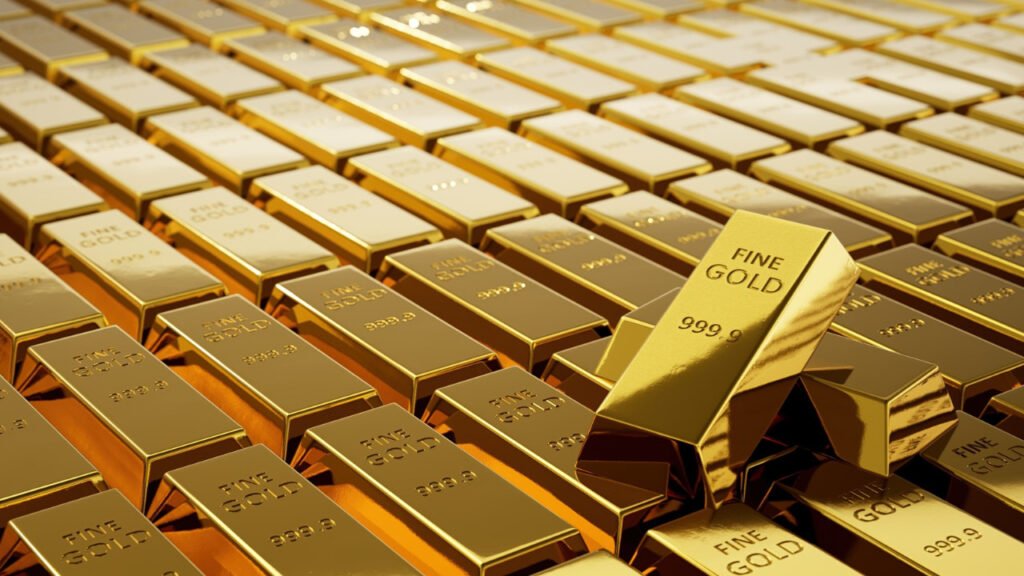
Gold and silver bullion offer investors a tangible way to own precious metals, but they differ in price, storage needs, market behavior, and practical uses. For anyone exploring bullion dallas options, understanding these differences can make purchasing decisions more informed and help align a metal with individual financial goals. While both metals can serve as stores of value, neither guarantees a profit. Knowing how each works is the first step toward choosing wisely.
What Is Gold and Silver Bullion?
Bullion refers to precious metals valued primarily for their metal content and purity rather than their collectible appeal. It commonly comes in bars, rounds, and coins produced by government mints or private refiners. Investors typically compare the amount of pure metal they receive with the product’s total purchase price.
Understanding Gold Bullion
Gold bullion is available in bars and coins with different weights and purity levels. Many investment-grade gold products contain 99.9% or more pure gold, although some widely traded coins have different compositions. For example, American Gold Eagles contain 22-karat gold, but their total weight includes the alloy needed to improve durability.
Gold is relatively expensive per ounce compared with silver. Consequently, buyers can hold a substantial amount of value in a compact product, making gold attractive to people who prioritize portability and efficient storage.
Understanding Silver Bullion
Silver bullion is also sold as bars, rounds, and coins. Many investment products contain 99.9% pure silver, including American Silver Eagles. However, purity and specifications vary by product, so buyers should check the manufacturer’s information before purchasing.
Silver generally costs much less per ounce than gold. This lower entry price allows buyers to accumulate metal gradually, although silver’s greater physical volume per dollar of value can create additional storage and handling requirements.
Six Important Differences Between Gold and Silver Bullion
Although the two metals share some characteristics, their differences can influence affordability, convenience, and investment risk.
1. Purchase Price and Affordability
The most obvious difference is the price per ounce. Gold typically costs considerably more than silver, meaning a buyer can purchase silver in smaller monetary increments or acquire more ounces for the same budget.
For example, someone with $1,000 available may be able to buy several silver products but only a fraction of an ounce of gold, depending on current market prices and dealer premiums. The actual quantities depend on prevailing spot prices, product sizes, taxes, and transaction costs.
A lower price per ounce does not automatically make silver a better bargain. The important comparison is how much metal a buyer receives for the total amount paid and how the purchase fits their goals.
2. Market Demand and Price Drivers
Gold demand is strongly influenced by investment activity, central-bank purchases, jewelry consumption, currency movements, and expectations about inflation and economic uncertainty. Investors may turn to gold when they seek diversification or an asset that does not depend directly on a company’s financial performance.
Silver has both investment demand and substantial industrial demand. Manufacturers use it in electronics, solar technologies, electrical applications, and other products because of its useful physical properties.
This industrial connection can make silver more sensitive to changes in manufacturing activity and economic growth. However, neither metal follows a predictable pattern in every market environment. Both can decline when investors need cash, interest-rate expectations change, or broader market conditions shift.
3. Volatility and Investment Risk
Gold and silver prices fluctuate, but silver has historically tended to experience larger percentage price swings than gold. Its smaller market, industrial exposure, and changing investment demand can contribute to these movements.
Greater volatility creates both opportunity and risk. Silver may rise sharply during favorable conditions, but it can also experience significant declines. Gold can fall as well, even during periods of economic uncertainty.
Investors should therefore avoid assuming that either metal will always protect purchasing power over a particular period. The right choice depends on risk tolerance, investment horizon, and the role precious metals play within a broader financial plan.
4. Storage, Weight, and Portability
Gold’s high value per ounce makes it relatively easy to store in a small space. A modest collection may fit in a compact, appropriately secured storage arrangement.
Silver requires more room to hold an equivalent dollar value. Buyers who accumulate many ounces must consider container strength, shelf space, transport weight, and security. Larger holdings may justify comparing a home safe with professional storage services.
Storage costs matter because they reduce the net benefit of ownership. Insurance, secure facilities, and transportation can add expenses to either metal, particularly when the holdings become substantial.
5. Liquidity and Resale Considerations
Liquidity describes how easily an asset can be sold for a reasonable price. Common gold and silver bullion products from recognized mints and refiners generally have established resale markets in the United States.
Gold’s higher value per ounce can make it convenient for buyers who want to sell a relatively large amount of value in a single transaction. Silver may provide more flexibility for smaller transactions because individual products are usually less expensive.
Actual liquidity depends on the product, dealer demand, market conditions, and the difference between buying and selling prices. Unusual bars, unfamiliar brands, damaged packaging, and products with limited local demand may be harder to sell on favorable terms.
Before buying, ask the dealer how the product is evaluated for resale and whether its buyback pricing differs from that of other bullion products.
6. Premiums and Total Ownership Costs
The spot price is the current benchmark market price for a precious metal. Retail bullion products usually sell for more than spot because their prices include manufacturing, distribution, dealer operating costs, and other market factors.
This additional amount is called the premium. Premiums vary by product type, size, availability, and market conditions.
Small products can carry higher premiums per ounce than larger bars because production and handling costs represent a larger share of their value. Silver products may also have premiums that are significant relative to their lower underlying metal value.
Compare the full purchase price rather than looking at spot prices alone. Also consider the dealer’s resale offer, shipping, insurance, and any applicable taxes. A product that appears inexpensive initially may not offer the lowest overall ownership cost.
Gold vs. Silver Bullion: A Practical Comparison
The following table summarizes the main differences buyers should consider when evaluating these metals.
| Comparison Factor | Gold Bullion | Silver Bullion |
|---|---|---|
| Price per ounce | Generally much higher | Generally much lower |
| Typical investment formats | Bars and coins | Bars, rounds, and coins |
| Common investment purity | Often 99.9% or higher; varies by product | Often 99.9%; varies by product |
| Industrial demand | Important, but investment and jewelry demand are major drivers | Significant industrial and investment demand |
| Price volatility | Often less volatile than silver historically | Often experiences larger percentage swings |
| Storage efficiency | High value in relatively little space | Requires more space for equivalent dollar value |
| Smaller purchases | Higher financial entry cost per ounce | Easier to accumulate in small dollar amounts |
| Resale considerations | Depends on product recognition and dealer demand | Depends on product recognition and dealer demand |
| Key risk | Price declines and opportunity cost | Price declines, industrial-cycle exposure, and storage needs |
These are general tendencies rather than guarantees. Specific products, market conditions, and transaction costs can change the comparison.
Which Metal Fits Your Investment Goals?
There is no universal winner between gold and silver. A sensible choice starts with the purpose of the purchase, the available budget, and the costs of holding and eventually selling the metal.
When Gold May Be the Better Fit
Gold may suit buyers who want to hold a relatively high value in a compact physical asset. It can be practical for people who prefer fewer individual pieces and have sufficient funds for the higher initial purchase cost.
Recognized bullion bars and widely traded coins can also make product comparisons more straightforward. Nevertheless, buyers should compare purity, authenticity, premiums, and resale conditions instead of assuming every gold product offers the same value.
Gold may be less convenient for someone who wants to make frequent, very small purchases or who is uncomfortable committing a larger amount of money to a single item.
When Silver May Be the Better Fit
Silver can suit buyers who prefer to build a physical metal holding gradually. Its lower price per ounce makes smaller purchases more accessible, and some investors value its combination of investment demand and industrial uses.
However, silver’s affordability should be considered alongside its storage requirements and market volatility. A collection that grows over time may become bulky, and selling a large quantity can involve more handling than selling an equivalent value of gold.
Buyers should also recognize that industrial demand does not guarantee rising prices. Economic slowdowns can weaken some sources of silver demand, while other factors may offset that effect.
Should You Own Both Metals?
Some investors choose to hold both gold and silver rather than relying on a single precious metal. The two markets have overlapping but different demand drivers, so their prices do not always move by the same amount or in the same direction.
Holding both may diversify exposure within a precious-metals allocation, but it does not eliminate investment risk. Both can decline simultaneously, and neither produces interest or dividends simply because it is held.
Consider how much of your overall financial resources you can reasonably allocate to physical metals without compromising emergency savings, debt obligations, or other financial priorities.
How to Buy Bullion More Confidently
Whether you choose gold, silver, or a combination, a careful buying process helps reduce avoidable mistakes.
Compare the Total Price With the Spot Price
Check a reliable market quote and compare it with the dealer’s complete selling price. Calculate the premium per ounce and, where practical, compare the quoted resale price to estimate the initial buy-sell spread.
For example, if two dealers offer the same weight and type of silver bullion, the lower advertised price may not be the better deal if shipping or other charges are higher. Compare the final delivered cost on equivalent products.
Check Purity, Weight, and Authenticity
Buy products with clearly stated specifications from established, reputable sellers. Confirm the metal, weight, fineness, and manufacturer or mint. For coins, understand whether the stated weight refers to total coin weight or fine-metal content.
Counterfeits can resemble genuine products, so appearance alone is not a reliable authentication method. Reputable dealers may use suitable testing equipment and verification procedures. For higher-value transactions, ask about authentication and documentation before paying.
Understand Dealer Buyback Policies
Buying bullion is only one side of the transaction. Ask how the dealer determines its purchase offer, whether it buys back the exact products being sold, and whether condition or packaging affects the offer.
Save receipts and product documentation. These records can support future resale, insurance claims, and tax reporting.
Consider Your Selling Timeline
Bullion works best when buyers understand that prices can fluctuate and that buying and selling both involve costs. If you may need the money soon, market losses or transaction expenses could force you to sell at an unfavorable time.
Avoid borrowing money to speculate on short-term price movements unless you fully understand the financial risks. Physical metals should fit a broader plan rather than replace emergency cash or essential financial reserves.
Buying Precious Metals in the Dallas–Fort Worth Area
Local buyers can compare dealers in the Dallas–Fort Worth area to evaluate products in person, ask questions, and understand available payment and resale policies. Searching for local bullion dealers can help identify businesses that offer gold bars, silver rounds, investment coins, or other precious-metal products.
When comparing sellers, look beyond advertised prices. Ask whether prices are updated with the market, what identification or payment requirements apply, how authenticity is verified, and whether the business provides written transaction records.
It is also worth checking inventory before traveling. A dealer may carry gold products but have limited availability of particular silver bars or coins, or vice versa. Confirming the exact product, weight, premium, and final price helps avoid unnecessary trips and unexpected costs.
Local availability does not automatically mean better value. Compare the complete cost of an in-person purchase with reputable alternatives, including delivery and insurance where relevant. Choose a seller based on transparency, product authenticity, service, and reasonable transaction terms rather than location alone.
Conclusion
Gold and silver bullion offer different advantages, and the better option depends on what a buyer needs from physical precious metals. Gold generally provides greater value in a smaller amount of space, while silver offers a lower price per ounce and meaningful industrial demand. Silver has also historically shown greater price volatility, making risk assessment especially important.
Before purchasing either metal, compare spot prices, premiums, purity, storage expenses, and potential resale offers. Choose recognized products from reputable dealers and avoid committing money you may need in the short term. A thoughtful decision based on budget, risk tolerance, and long-term objectives is more useful than trying to predict which metal will perform best next.
Frequently Asked Questions
1. Is gold bullion better than silver bullion?
Neither is universally better. Gold may suit buyers who prioritize compact storage and higher value per ounce, while silver may suit those who prefer smaller purchases and want exposure to industrial demand. The appropriate choice depends on budget, risk tolerance, and investment objectives.
2. Why is gold more expensive than silver?
Gold has different supply-and-demand dynamics, including substantial investment, jewelry, and central-bank demand. Silver has significant industrial applications and is generally more abundant in the market. These factors contribute to their different prices, which can change over time.
3. Is silver bullion riskier than gold bullion?
Silver has historically experienced larger percentage price swings than gold, although both metals can lose value. Silver’s industrial demand can increase its sensitivity to economic conditions. Investors should consider their time horizon and ability to withstand price declines.
4. Are gold and silver bullion coins better than bars?
Neither format is automatically better. Coins may offer recognizable designs and convenient resale options, while bars can provide competitive premiums at certain sizes. Compare the product’s total cost, purity, recognition, storage needs, and resale terms before deciding.
5. What should I check before buying bullion in Dallas?
Compare the dealer’s total selling price with the spot price, verify the product’s weight and purity, and ask about authentication and buyback policies. Review payment terms, shipping or pickup costs, and applicable taxes. Choose a reputable seller that provides clear pricing and transaction documentation.