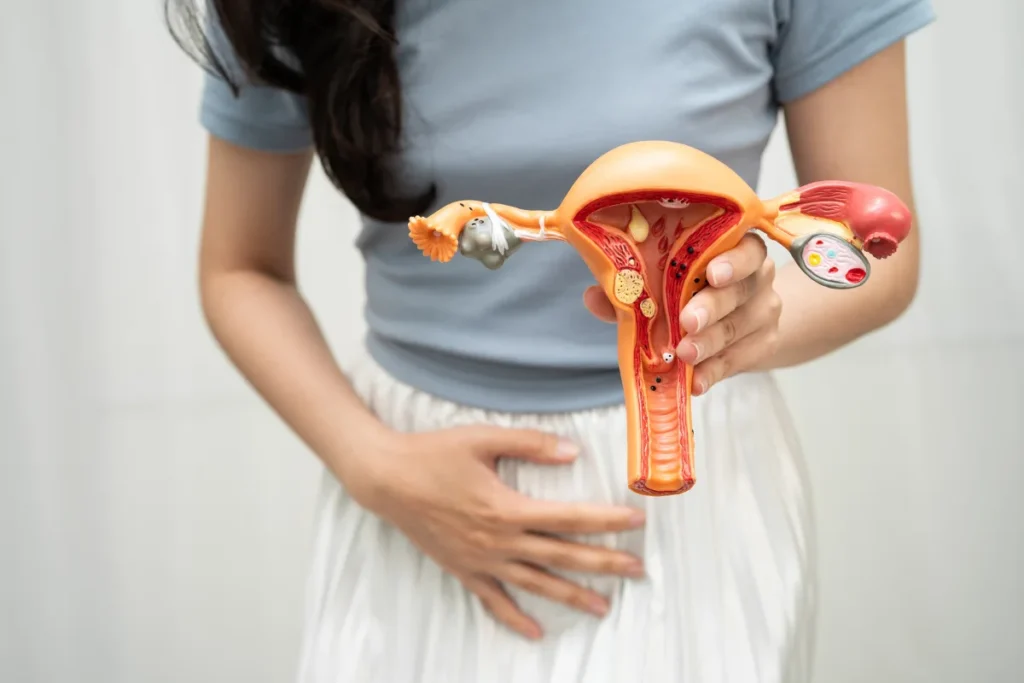
Many women experience painful periods, pelvic discomfort, or fertility challenges at some point in their lives. While these symptoms can occur for different reasons, persistent or severe symptoms may sometimes be linked to endometriosis, a condition that affects millions of women worldwide.
Living with endometriosis can be physically and emotionally challenging. The condition can interfere with daily activities, work, relationships, and overall quality of life. In some cases, medicines and lifestyle changes help manage symptoms effectively. However, there are situations where an endometriosis operation may become an important treatment option.
Understanding when surgery is necessary can help patients make informed decisions about their health. This article explains what endometriosis is, when an operation may be recommended, the factors doctors consider, and what patients can expect before and after surgery.
Understanding Endometriosis
Endometriosis is a condition in which tissue similar to the lining of the uterus grows outside the uterus. These growths can develop on the ovaries, fallopian tubes, bladder, bowel, and other areas within the pelvis.
Just like the uterine lining, this tissue responds to hormonal changes during the menstrual cycle. It can thicken, break down, and bleed. However, because the blood has no easy way to leave the body, it can cause inflammation, irritation, scar tissue, and adhesions.
Common symptoms of endometriosis include:
- Painful menstrual periods
- Chronic pelvic pain
- Pain during intercourse
- Pain during bowel movements or urination
- Heavy menstrual bleeding
- Infertility
- Fatigue
- Digestive discomfort
The severity of symptoms does not always match the extent of the disease. Some women with mild endometriosis may experience severe pain, while others with extensive disease may have few symptoms.
Is Surgery Always Needed for Endometriosis?
No, surgery is not always necessary.
Many women successfully manage endometriosis through:
- Pain-relief medications
- Hormonal therapies
- Birth control pills
- Lifestyle modifications
- Dietary adjustments
- Physical therapy
Doctors usually consider conservative treatments first, especially when symptoms are mild to moderate.
An endometriosis operation is generally recommended when symptoms remain severe, complications develop, or fertility concerns need to be addressed.
Key Factors That May Indicate an Endometriosis Operation Is Needed
Several factors help doctors determine whether surgery is the right treatment option.
1. Severe Pelvic Pain That Does Not Improve
Persistent pelvic pain is one of the most common reasons surgery is considered.
If pain continues despite medications and hormonal treatment, surgery may help remove endometrial lesions that are causing inflammation and discomfort.
Warning signs include:
- Daily pelvic pain
- Pain that disrupts work or school
- Pain affecting sleep
- Pain that limits physical activities
- Increasing pain over time
When symptoms significantly affect quality of life, surgical treatment may offer relief.
2. Large Endometriomas (Ovarian Cysts)
Endometriosis can cause cysts known as endometriomas or “chocolate cysts” on the ovaries.
These cysts may:
- Cause pelvic pain
- Lead to ovarian damage
- Affect fertility
- Increase discomfort during menstruation
Large or growing cysts may require surgical removal, particularly if they are causing symptoms or interfering with reproductive plans.
3. Difficulty Becoming Pregnant
Endometriosis is one of the leading causes of infertility.
The condition can affect fertility by:
- Blocking fallopian tubes
- Damaging eggs
- Creating pelvic adhesions
- Altering the reproductive environment
For women struggling to conceive, surgery may improve fertility by removing endometriosis lesions and restoring normal pelvic anatomy.
The decision depends on factors such as:
- Age
- Fertility goals
- Severity of disease
- Previous fertility treatments
A personalized evaluation helps determine whether surgery is likely to improve pregnancy chances.
4. Endometriosis Affecting Other Organs
In some cases, endometriosis spreads beyond the reproductive organs and affects nearby structures.
Areas that may be involved include:
- Bowel
- Bladder
- Ureters
- Pelvic nerves
Symptoms may include:
- Painful bowel movements
- Blood in urine
- Frequent urination
- Constipation
- Severe abdominal discomfort
When organ function is affected, surgery may become necessary to prevent further complications and improve symptoms.
5. Suspicion of Advanced Disease
Advanced endometriosis can cause significant scar tissue and adhesions.
Adhesions are bands of scar tissue that may cause organs to stick together. This can lead to:
- Chronic pain
- Restricted organ movement
- Fertility problems
- Digestive symptoms
Imaging studies and clinical evaluations may suggest extensive disease that could benefit from surgical treatment.
6. Failure of Medical Treatment
Hormonal medications work well for many patients, but not everyone experiences adequate symptom relief.
Doctors may recommend surgery when:
- Symptoms persist despite treatment
- Side effects are difficult to tolerate
- Symptoms return repeatedly
- Disease progresses despite therapy
Surgery may provide a more direct approach by removing endometriosis tissue.
7. Recurrent Endometriosis Symptoms
Some women experience recurring symptoms after previous treatments.
When symptoms return and become difficult to manage, a repeat evaluation may determine whether another surgical procedure is appropriate.
The decision depends on:
- Severity of symptoms
- Previous surgeries
- Fertility plans
- Overall health
Types of Endometriosis Operations
Different surgical approaches are available depending on the patient’s condition and treatment goals.
Laparoscopy
Laparoscopy is the most common surgical procedure for endometriosis.
This minimally invasive technique involves:
- Small incisions
- A thin camera called a laparoscope
- Specialized surgical instruments
During the procedure, the surgeon can:
- Remove lesions
- Cut away scar tissue
- Remove cysts
- Restore normal anatomy
Benefits of laparoscopy include:
- Smaller scars
- Less pain
- Faster recovery
- Shorter hospital stay
Excision Surgery
Excision surgery involves completely cutting out endometriosis lesions.
Many specialists consider this one of the most effective surgical approaches because it removes diseased tissue rather than simply destroying its surface.
Potential benefits include:
- Better symptom relief
- Lower recurrence rates
- Improved fertility outcomes in selected cases
Ablation Surgery
Ablation uses heat or energy to destroy endometriosis tissue.
While effective for some patients, it may not remove deeper disease as completely as excision surgery.
The choice between excision and ablation depends on the extent and location of the disease.
Hysterectomy
In certain severe cases, a hysterectomy may be considered.
This procedure involves removal of the uterus and sometimes the ovaries.
It is generally reserved for women who:
- Have severe symptoms
- Have completed childbearing
- Have not responded to other treatments
A hysterectomy is not the first-line treatment for most women with endometriosis.
How Doctors Decide If Surgery Is Necessary
Every patient is unique, and doctors evaluate multiple factors before recommending surgery.
These include:
Symptom Severity
The intensity and impact of symptoms play an important role.
Doctors assess:
- Pain levels
- Daily functioning
- Emotional well-being
- Work limitations
Age
Age may influence treatment recommendations, especially when fertility preservation is important.
Fertility Goals
Women planning pregnancy may have different treatment pathways than those who are not trying to conceive.
Disease Extent
The location and severity of endometriosis help determine whether surgery is beneficial.
Previous Treatments
The effectiveness of past medications and procedures is carefully reviewed before making recommendations.
Benefits of an Endometriosis Operation
When appropriately recommended, surgery can provide several benefits.
Reduced Pain
Removing lesions and scar tissue often decreases chronic pelvic pain.
Improved Fertility
Surgery may improve reproductive outcomes in selected patients.
Better Quality of Life
Many women experience improvements in:
- Physical comfort
- Daily functioning
- Emotional well-being
- Relationships
Removal of Problematic Cysts
Large endometriomas can be treated effectively through surgery.
Diagnosis Confirmation
Laparoscopy allows direct visualization of endometriosis and can confirm the diagnosis.
Risks of Endometriosis Surgery
Like any operation, endometriosis surgery carries some risks.
Potential complications include:
- Infection
- Bleeding
- Damage to nearby organs
- Blood clots
- Scar formation
- Recurrence of endometriosis
An experienced surgeon can help minimize these risks and provide detailed guidance about the procedure.
What to Expect During Recovery
Recovery varies depending on the type of surgery performed.
Most patients undergoing laparoscopy can return to normal activities within a few weeks.
Recovery tips include:
- Following medical instructions
- Getting adequate rest
- Staying hydrated
- Avoiding heavy lifting initially
- Attending follow-up appointments
Mild discomfort, fatigue, and temporary bloating are common during the healing process.
Can Endometriosis Return After Surgery?
Yes, endometriosis can sometimes return after treatment.
The likelihood of recurrence depends on factors such as:
- Age
- Disease severity
- Surgical technique
- Hormonal influences
To reduce recurrence risk, doctors may recommend:
- Hormonal therapy
- Regular monitoring
- Healthy lifestyle habits
- Ongoing symptom management
Even when recurrence occurs, many patients continue to experience significant symptom improvement after surgery.
Questions to Ask Before Choosing Surgery
If surgery is being considered, patients may benefit from asking:
- Why do you recommend surgery?
- What type of procedure is best for me?
- How might surgery affect fertility?
- What are the expected benefits?
- What are the potential risks?
- How long will recovery take?
- What is the chance of recurrence?
Clear communication helps patients feel more confident about treatment decisions.
Conclusion
An endometriosis operation is not necessary for every woman with endometriosis, but it can be an important treatment option when symptoms become severe, fertility is affected, ovarian cysts develop, or medical therapies no longer provide adequate relief. The decision to undergo surgery should always be based on a thorough evaluation of symptoms, treatment history, reproductive goals, and overall health.
If you are experiencing ongoing pelvic pain, fertility challenges, or symptoms that affect your quality of life, consulting an experienced gynecologist is essential. Dr. Neha Lalla can provide a comprehensive assessment and help determine the most appropriate treatment plan based on your individual needs and long-term health goals.