A healthy smile is more than just having white and clean teeth. The position of your teeth also plays an important role in your oral health, appearance, and confidence. When teeth are not properly aligned, they can create several dental problems that may affect daily life.
Many people experience teeth misalignment at some point in their lives. Some individuals are born with it, while others develop it due to habits, injuries, or changes in jaw growth. Fortunately, modern dentistry offers several effective solutions to correct misaligned teeth and improve both function and appearance.
In this article, we will discuss what teeth misalignment is, its common causes, symptoms, potential complications, and the latest treatment options available today.
What Is Teeth Misalignment?
Teeth misalignment, also known as malocclusion, occurs when the teeth do not fit together properly when the mouth is closed. This can affect the upper and lower teeth, the jaw, or both.
Ideally, the upper teeth should slightly overlap the lower teeth, and all teeth should align properly within the dental arch. When this alignment is disturbed, it can lead to functional and cosmetic concerns.
Teeth misalignment can range from mild to severe. Some people may only have a small gap or slight crowding, while others may experience significant bite problems that require professional treatment.
Common Types of Teeth Misalignment
Understanding the different types of misalignment can help identify the most suitable treatment option.
Overbite
An overbite occurs when the upper front teeth excessively overlap the lower front teeth. A small overbite is normal, but a severe overbite can lead to tooth wear and jaw discomfort.
Underbite
An underbite happens when the lower teeth extend beyond the upper teeth. This condition can affect chewing, speaking, and facial appearance.
Crossbite
In a crossbite, some upper teeth sit behind the lower teeth instead of in front of them. This can cause uneven tooth wear and jaw problems.
Open Bite
An open bite occurs when the upper and lower teeth do not touch when the mouth is closed. This often affects the front teeth and may result from habits such as thumb sucking.
Crowded Teeth
Crowding occurs when there is not enough space in the jaw for all teeth to fit properly. Teeth may overlap, twist, or become displaced.
Spacing and Gaps
Excessive spaces between teeth can occur due to missing teeth, abnormal jaw growth, or differences in tooth size.
What Causes Teeth Misalignment?
Several factors can contribute to the development of misaligned teeth. Understanding these causes can help with prevention and early treatment.
Genetics
One of the most common causes of teeth misalignment is genetics. Children often inherit jaw size, tooth size, and facial structure from their parents.
For example:
- Small jaws with large teeth may cause crowding.
- Large jaws with small teeth may create gaps.
- Inherited bite problems can lead to overbites or underbites.
Thumb Sucking and Pacifier Use
Prolonged thumb sucking or extended pacifier use during childhood can influence tooth and jaw development.
When these habits continue beyond the early years, they may push teeth out of position and alter jaw growth.
Tongue Thrusting
Tongue thrusting occurs when the tongue presses against the front teeth during swallowing or speaking.
Over time, this pressure can move teeth forward and contribute to open bites or spacing issues.
Premature Loss of Baby Teeth
Baby teeth act as placeholders for permanent teeth. If they are lost too early due to decay or injury, nearby teeth may shift into the empty space.
This can block the proper eruption of permanent teeth and lead to misalignment.
Mouth Breathing
Chronic mouth breathing can affect facial and jaw development, especially during childhood.
It may contribute to narrow dental arches, crowded teeth, and bite problems.
Jaw Injuries
Trauma or injuries to the face and jaw can alter tooth positioning and jaw alignment.
Even a single injury can sometimes lead to significant changes in the bite.
Poor Dental Habits
Certain habits can increase the risk of developing misaligned teeth, including:
- Nail biting
- Chewing on pens or pencils
- Teeth grinding
- Constant pressure on teeth
Impacted Teeth
Sometimes permanent teeth fail to emerge properly because they become trapped beneath the gums.
Impacted teeth can affect neighboring teeth and contribute to alignment problems.
Signs and Symptoms of Teeth Misalignment
Not all cases of misalignment are immediately noticeable. Some symptoms may develop gradually over time.
Common signs include:
- Crooked or crowded teeth
- Gaps between teeth
- Difficulty chewing food
- Frequent biting of cheeks or tongue
- Jaw pain or discomfort
- Speech difficulties
- Uneven tooth wear
- Teeth grinding
- Facial asymmetry
- Difficulty cleaning between teeth
If you notice any of these symptoms, a dental evaluation can help determine whether treatment is necessary.
Why Teeth Misalignment Should Not Be Ignored
Some people assume that misaligned teeth are only a cosmetic issue. However, untreated alignment problems can affect oral health in several ways.
Increased Risk of Tooth Decay
Crowded or overlapping teeth are harder to clean effectively.
Food particles and plaque can accumulate in difficult-to-reach areas, increasing the risk of cavities.
Gum Disease
Poor alignment may make brushing and flossing less effective, allowing bacteria to build up around the gums.
This can lead to gingivitis and eventually periodontal disease.
Excessive Tooth Wear
When teeth do not meet correctly, certain teeth may experience excessive pressure.
This uneven force can wear down enamel and increase the risk of fractures.
Jaw Pain and TMJ Problems
Misaligned bites can place extra stress on the jaw joints and muscles.
Over time, this may contribute to temporomandibular joint (TMJ) disorders, headaches, and facial pain.
Speech Difficulties
Some forms of misalignment can affect tongue placement and pronunciation, making certain sounds difficult to produce.
Reduced Confidence
Many people feel self-conscious about crooked teeth, which can affect their willingness to smile and interact socially.
Correcting alignment issues often improves confidence and self-esteem.
How Dentists Diagnose Teeth Misalignment
Diagnosing teeth misalignment involves a thorough dental examination.
A dentist may use:
Clinical Examination
The dentist checks tooth positioning, bite alignment, jaw movement, and oral health.
Digital X-Rays
X-rays help evaluate tooth roots, jawbone structure, and impacted teeth.
Digital Scans
Modern dental clinics often use digital scanners to create accurate 3D images of the teeth and jaws.
Photographs
Dental photographs help document alignment concerns and monitor treatment progress.
Based on these findings, a personalized treatment plan can be developed.
Modern Treatment Options for Teeth Misalignment
Advancements in dental technology have made orthodontic treatment more comfortable, effective, and discreet than ever before.
Traditional Metal Braces
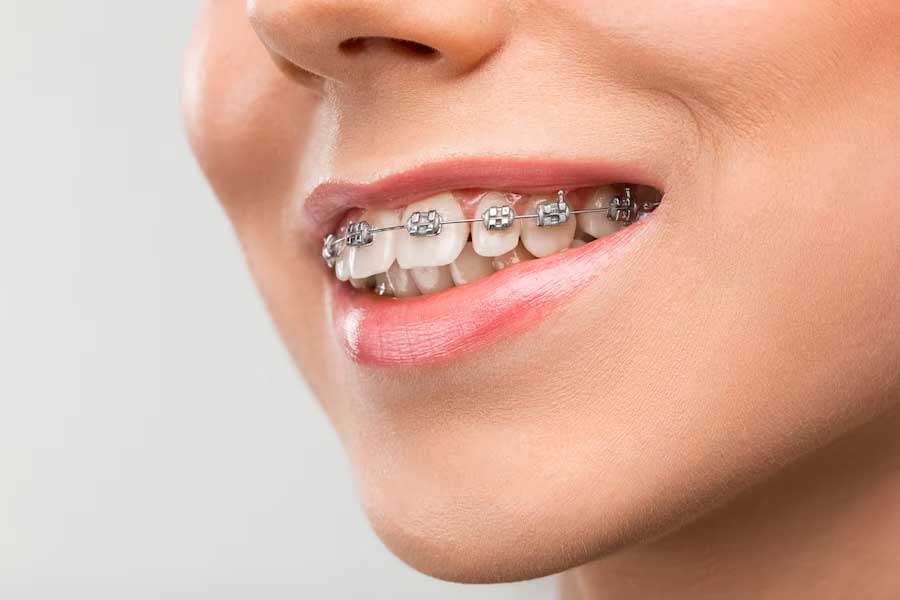
Metal braces remain one of the most reliable methods for correcting complex alignment problems.
They consist of brackets attached to the teeth and connected by wires that gradually move teeth into proper positions.
Benefits
- Highly effective
- Suitable for severe cases
- Precise control of tooth movement
Considerations
- Visible appearance
- Requires regular adjustments
Ceramic Braces
Ceramic braces work similarly to traditional braces but use tooth-colored or clear brackets.
They are less noticeable and are popular among older teenagers and adults.
Benefits
- More discreet than metal braces
- Effective for many alignment issues
Considerations
- Slightly more fragile
- May require extra care
Clear Aligners
Clear aligners have become one of the most popular orthodontic treatments.
These custom-made transparent trays gradually shift teeth into proper alignment.
Patients wear each set of aligners for a specified period before moving to the next set.
Benefits
- Nearly invisible
- Removable for eating and cleaning
- Comfortable and convenient
Considerations
- Requires consistent wear
- Not suitable for every complex case
Lingual Braces
Lingual braces are placed behind the teeth rather than on the front surface.
This makes them virtually invisible when smiling.
Benefits
- Hidden from view
- Effective for various alignment concerns
Considerations
- Higher cost
- May require an adjustment period
Retainers
Retainers are often used after orthodontic treatment to maintain the new position of the teeth.
Without retainers, teeth may gradually shift back toward their original positions.
Types of Retainers
- Removable retainers
- Fixed retainers
Following retainer instructions is essential for long-term success.
Orthodontic Appliances for Children
Early intervention can sometimes prevent more serious problems later.
Special appliances may guide jaw growth and create space for incoming permanent teeth.
Examples include:
- Palatal expanders
- Space maintainers
- Functional appliances
Orthognathic Surgery
In severe cases involving jaw abnormalities, orthodontic treatment alone may not be enough.
Orthognathic surgery can reposition the jaw and improve both function and facial balance.
This treatment is usually recommended for significant skeletal issues.
How Long Does Treatment Take?
Treatment duration varies depending on the severity of the problem and the chosen method.
Typical timelines include:
- Minor corrections: 6–12 months
- Moderate cases: 12–24 months
- Complex cases: 24–36 months or longer
Following your dentist’s instructions can help achieve the best results within the expected timeframe.
Tips to Prevent Teeth Misalignment
Although not all causes can be prevented, some habits can reduce the risk of developing alignment problems.
Encourage Healthy Childhood Habits
Limit prolonged thumb sucking and pacifier use.
Maintain Regular Dental Checkups
Routine dental visits help identify alignment issues early.
Protect Teeth During Sports
Using mouthguards can reduce the risk of dental injuries.
Address Breathing Problems
Seek professional evaluation for chronic mouth breathing.
Replace Missing Teeth Promptly
Replacing missing teeth can prevent neighboring teeth from shifting.
Practice Good Oral Hygiene
Healthy gums and teeth provide a stable foundation for proper alignment.
When Should You See a Dentist?
You should consider a dental evaluation if you notice:
- Crooked or crowded teeth
- Bite problems
- Difficulty chewing
- Jaw pain
- Speech issues
- Gaps between teeth
- Concerns about your smile
Early diagnosis often leads to simpler and more effective treatment.
Conclusion
Teeth misalignment is a common dental condition that can affect oral health, comfort, appearance, and confidence. Whether caused by genetics, childhood habits, jaw development, or injury, misaligned teeth should not be ignored. Modern dentistry offers a wide range of treatment options, from traditional braces and ceramic braces to clear aligners and advanced orthodontic solutions.
Seeking professional advice at the right time can help prevent complications and improve long-term dental health. At DentisTree Dental Clinic, patients can receive comprehensive evaluations and personalized treatment plans designed to create healthier, straighter, and more confident smiles.