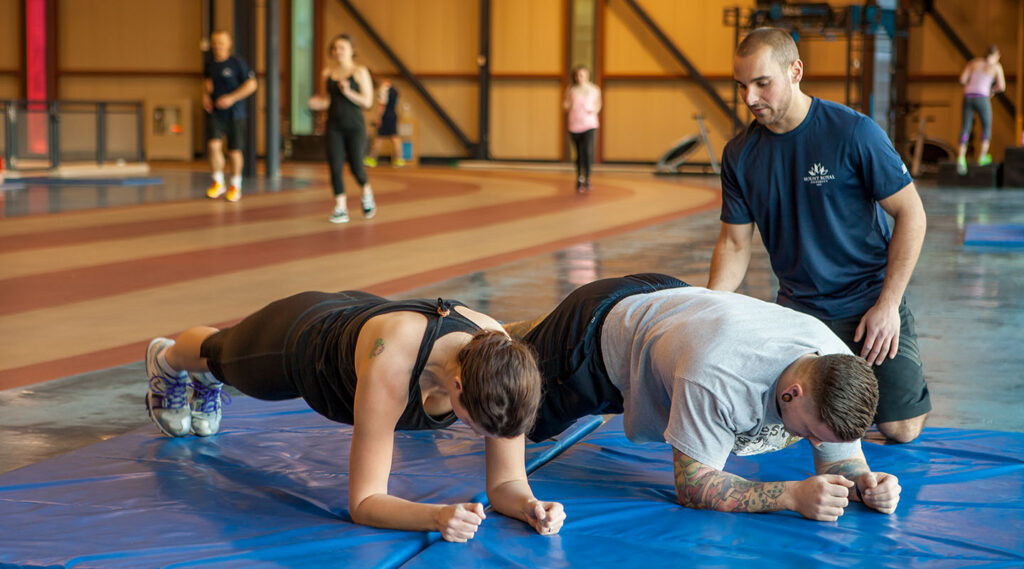
Fitness goals vary from person to person, making a personalized workout plan much more effective than a generic routine. A program designed around individual needs helps improve results, lowers the chance of injury, and keeps motivation high. A Certified Fitness Trainer carefully studies a client’s goals, health history, daily habits, and current fitness level before creating a plan that matches both ability and long-term expectations.
Understanding Personal Fitness Goals
Every successful workout plan begins with a detailed discussion about personal objectives. Some people want to lose weight, others aim to gain muscle, improve athletic performance, or increase overall health. Clear goals help determine exercise selection, training frequency, and workout intensity. Trainers also discuss lifestyle, available workout time, and previous exercise experience. This information creates a realistic starting point that supports consistent progress without making the routine too difficult or too easy for the individual.
Evaluating Current Fitness Level
A complete fitness assessment provides valuable information about physical ability before training begins. Trainers often check flexibility, endurance, balance, mobility, body composition, and muscular strength. Observing movement patterns also helps identify posture issues or muscle imbalances that may increase injury risk. The collected information allows trainers to choose exercises that suit the client’s current abilities instead of following general workout templates that may not deliver safe or effective results.
Creating A Structured Training Plan
Building a structured program requires balancing different types of exercise to improve overall fitness. Trainers decide how many workout sessions fit each week and organize strength training, cardiovascular activities, flexibility work, and recovery periods. Exercise order also matters because larger muscle groups often perform better earlier in a session. Every workout has a clear purpose that supports the client’s main objective while preventing excessive fatigue and helping maintain consistent progress over time.
Selecting The Right Exercises
Exercise selection depends on individual ability, available equipment, and personal preferences. Beginners often start with simple movement patterns that build proper technique and confidence. More experienced clients may perform advanced exercises with greater resistance or higher training volume. Trainers also include movements that strengthen supporting muscles to improve balance and reduce injury risk. Variety keeps workouts interesting while ensuring all major muscle groups receive appropriate attention throughout the training schedule.
Adjusting Intensity And Progress
Progress happens by gradually increasing the challenge instead of making sudden changes. Trainers monitor workout performance and adjust weights, repetitions, sets, rest periods, or exercise difficulty based on improvement. Small changes allow the body to adapt safely while avoiding unnecessary strain. Regular progress checks also reveal whether goals need modification due to changing fitness levels, new interests, or improvements achieved during previous weeks of consistent training and healthy recovery.
Key Steps Trainers Follow During Program Design
A well-designed workout plan follows an organized process that keeps every stage focused on long-term success.
- Identify personal fitness goals and expectations.
- Review medical history and previous injuries.
- Assess strength, endurance, mobility, and flexibility.
- Choose suitable exercises for current ability.
- Set workout frequency and recovery days.
- Track progress through regular assessments.
- Adjust the plan based on performance and feedback.
Following these steps allows trainers to create programs that remain practical, safe, and suitable as fitness improves over time.
Monitoring Results And Providing Ongoing Support
Creating the workout plan is only one part of successful fitness coaching. Regular communication helps trainers understand how clients respond to each session and whether adjustments are needed. Progress tracking may include strength improvements, body measurements, endurance gains, or personal achievements. Encouragement and education also help clients stay committed during challenging periods. Consistent guidance builds confidence, supports healthy exercise habits, and makes it easier to maintain results for many years instead of only a few weeks.
Conclusion
Custom workout plans provide a practical path toward achieving personal fitness goals with greater safety and efficiency. Careful assessment, realistic planning, appropriate exercise selection, and regular progress reviews all contribute to lasting improvement. Every individual has different strengths, limitations, and objectives, making personalized guidance valuable throughout the fitness journey. Working with a knowledgeable trainer creates structure, accountability, and steady progress that helps people build healthier habits and achieve meaningful results with confidence.