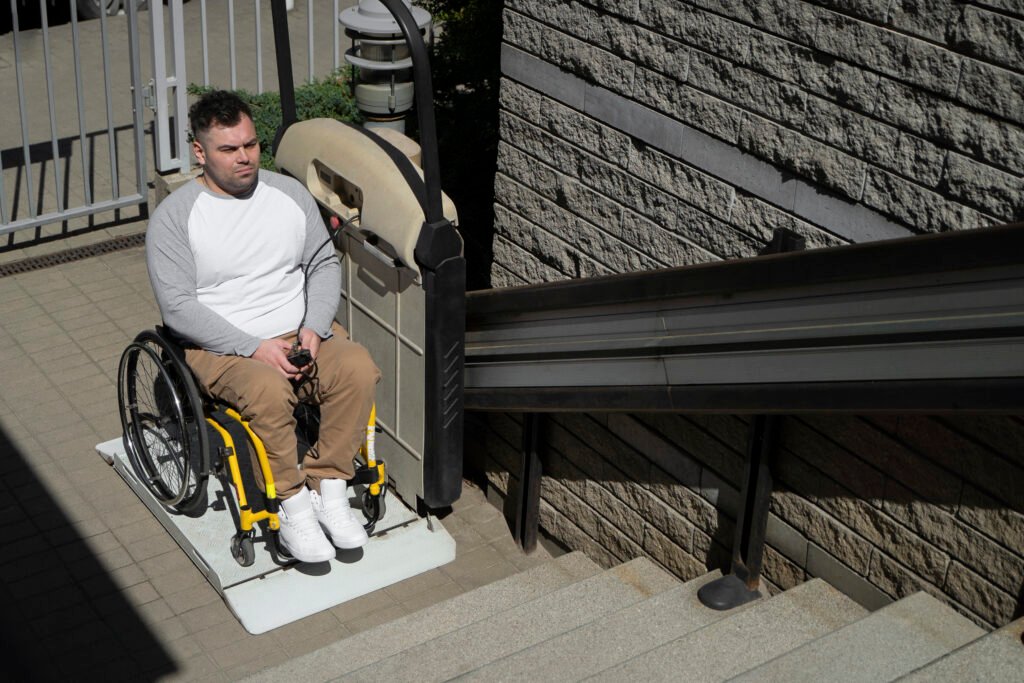
Right Portable Ramp
Dealing with stairs and getting in and out of the vehicle should not be a daily struggle in your life. Life is simple, and all the challenges around it should be dealt with smartly. The right ramp can make these situations much easier by creating a smoother and safer path for wheelchair users, mobility scooter users, and people who need temporary accessibility support.
However, not every ramp is suitable for every situation. Portable ramps come in different lengths, materials, weight capacities, and designs. Understanding these differences can help you choose an option that fits your needs without creating unnecessary safety concerns.
Consider Where You Will Use the Ramp
Before you choose to place your order for the curb ramps, it is essential to understand your own requirements first. A ramp for a front entrance may have different requirements than one used with a vehicle.
For home use, consider the height of the step or threshold and the available space around the entrance. If the area is narrow, a compact folding ramp may be easier to position and store.
For vehicles, think about the type of vehicle and how the ramp will be placed. A ramp used with a van, SUV, or car may need a different length and design depending on the height of the entry point.
The intended use should guide your choice before you compare individual models.
Choose the Correct Ramp Length
Ramp length is one of the most important factors to consider. A ramp that is too short may create a steep incline, making it difficult to use safely.
Measure the vertical height between the ground and the surface you need to reach. Then consider how much space you have available for the ramp.
A longer ramp generally provides a more gradual incline. However, longer models can also be heavier and require more storage space.
Before buying, check the manufacturer’s recommended incline and usage guidelines. Do not rely on appearance alone when deciding whether a ramp is long enough.
Check the Weight Capacity
Every ramp has a maximum weight rating. This rating should account for the combined weight of the user and the mobility equipment being used.
For example, someone using a wheelchair should consider the weight of the wheelchair, the user, and any additional items being carried. Choosing a ramp with a suitable weight capacity provides an important safety margin.
Never assume that a lightweight ramp has a low capacity or that a heavy ramp automatically provides greater support. Always check the manufacturer’s specifications.
Select a Practical Material and Design
Portable ramps are commonly made from materials such as aluminum. Aluminum models can provide a useful combination of strength and relatively low weight, making them easier to transport.
The ramp’s surface also matters. Look for a design that provides good traction, particularly if the ramp may be used outdoors or in damp conditions.
Folding and telescoping designs can also be useful. They can make transportation and storage easier when the ramp is not being used.
When comparing Handicap Ramps, consider how easily the design can be positioned, folded, carried, and stored between uses.
Look for Safety Features
A good ramp should be more than simply a sloped surface. Safety features can make a significant difference during everyday use.
Look for features such as:
- Non-slip or textured surfaces
- Secure attachment points
- Raised edges or side curbs
- Stable supports
- Easy-to-grip handles
- Reliable locking mechanisms on folding models
Before each use, inspect the ramp for damage, loose components, or anything that could affect stability. Make sure it sits securely on both the upper and lower surfaces before someone uses it.
Think About Portability and Storage
The main advantage of portable ramps is flexibility. However, portability can vary considerably between models.
If you need to carry the ramp regularly, weight and folded dimensions should be important considerations. A ramp that is difficult to lift or transport may not be practical, even if it has excellent specifications.
For occasional home use, storage space may matter more. Measure your available storage area before purchasing to make sure the folded ramp will fit comfortably.
Make the Choice Based on Your Needs
Choosing the right portable ramp is ultimately about matching the ramp to your environment, equipment, and daily routine. Consider the required length, weight capacity, material, surface, safety features, and storage requirements before making a decision.
Avoid choosing a ramp based solely on price or convenience. A properly selected ramp can provide dependable access while making everyday movement around a home or vehicle easier.
With careful measurements and attention to manufacturer specifications, portable ramps can be a practical solution for temporary and changing accessibility needs.