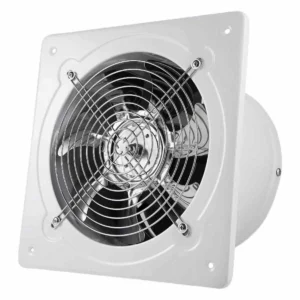
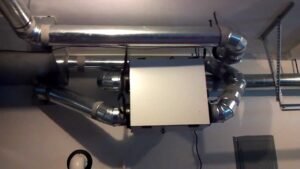
A HRV system serves as an efficient solution for maintaining healthy indoor air while reducing energy waste. By transferring heat from outgoing stale air to incoming fresh air, it ensures a continuous flow of clean air without significant energy loss. These systems are particularly advantageous in modern, well-insulated homes, where natural ventilation may be limited. Their ability to balance energy efficiency with improved air quality makes them an increasingly popular choice in both residential and commercial settings.
Functionality of Heat Recovery Ventilation
Heat recovery ventilation systems operate by extracting stale, warm air from indoor spaces and recovering heat from it. This recovered heat is transferred to incoming fresh air, which is then circulated throughout the property. The process helps maintain consistent indoor temperatures without relying on additional heating sources.
By ensuring a balanced exchange of fresh and stale air, these systems minimise heat loss and optimise energy usage. Additionally, they help regulate humidity levels, reducing the risk of condensation and mould growth.
An efficient heat exchanger plays a crucial role in this process, enabling maximum heat transfer while preventing contamination between air streams. As a result, the system not only enhances indoor air quality but also reduces the overall energy demands of the property, contributing to improved environmental sustainability.
Types of Heat Recovery Ventilation Systems
Heat recovery ventilation systems are available in two main types: centralised and decentralised. Centralised systems are typically installed in larger properties, featuring a single unit that services multiple rooms through a network of ducts. This design is well-suited for comprehensive ventilation needs in expansive spaces.
Decentralised systems, on the other hand, are compact units designed for individual rooms or smaller properties. They require minimal ductwork, making them easier to install in specific areas.
Other variations may include units tailored for specific climates or enhanced with features like advanced filtration or humidity control. Each type of system offers unique benefits, catering to different property sizes, designs, and ventilation requirements. Evaluating factors such as the size of the space, energy efficiency needs, and structural considerations is key to determining the most suitable system.
Installation Process of Heat Recovery Ventilation
The installation of a heat recovery ventilation system involves a detailed process to ensure optimal performance. The first step typically includes evaluating the property layout to determine the most effective placement for ducts and units. Proper positioning is essential for maximising airflow and energy efficiency. Professional installation is often advised, as it ensures compliance with building regulations and technical standards.
During the process, careful attention is paid to sealing ducts and configuring controls to prevent air leaks and inefficiencies. For decentralised systems, the installation may require fewer modifications, focusing on specific rooms or areas. Regardless of the system type, thorough planning and precise execution during installation play a key role in ensuring long-term effectiveness and reliable operation.
Energy Efficiency of Heat Recovery Ventilation
Heat recovery ventilation systems excel in conserving energy by recycling heat from the outgoing air and transferring it to incoming fresh air. This process significantly reduces the demand for additional heating, which in turn decreases energy consumption and operational costs. These systems are particularly effective in modern, well-insulated properties where maintaining indoor temperature can otherwise be energy-intensive. Advanced technology in heat exchangers further enhances efficiency by maximising heat transfer without mixing airflows.
Additionally, these systems contribute to environmental sustainability by reducing greenhouse gas emissions. By incorporating this energy-efficient solution, properties can align with contemporary standards for reducing energy waste while maintaining a comfortable indoor climate. Their role in optimising energy use underscores their value in sustainable building practices.
HRV Price Factors
The HRV price is influenced by various elements, including the size of the property, system type, and installation complexity. Larger properties often require more extensive systems, which can increase costs. Features such as advanced filtration or humidity control may also affect the price. Installation expenses depend on the property’s layout and the need for modifications. Maintenance requirements and energy efficiency benefits should be considered when evaluating overall costs, ensuring long-term affordability.
Maintenance Requirements for Heat Recovery Ventilation
Regular maintenance of a heat recovery ventilation system is essential to ensure efficient operation and a prolonged lifespan. Filters should be cleaned or replaced periodically to prevent the build-up of dust and allergens, which can impede airflow and reduce system performance. Fans and motors require inspection to ensure they are functioning correctly, while ducts should be checked for any obstructions or leaks that might compromise efficiency.
Scheduled servicing by qualified professionals can identify potential issues early, minimising costly repairs and maintaining optimal performance. It is also important to monitor humidity levels and ensure the heat exchanger remains clean to prevent a decline in heat recovery efficiency. Proper care and attention to these components not only improve indoor air quality but also preserve the system’s energy-saving capabilities, making regular maintenance a critical aspect of ownership.
Impact on Indoor Air Quality
Heat recovery ventilation systems play a crucial role in enhancing indoor air quality by ensuring continuous ventilation. They efficiently remove stale air, which often contains pollutants such as dust, allergens, and volatile organic compounds, while introducing fresh, filtered air into the property. By maintaining consistent air exchange, these systems help reduce the build-up of contaminants that can negatively impact health.
Additionally, they contribute to controlling humidity levels, which is essential in preventing conditions conducive to mould growth. This balance in air quality and humidity promotes a healthier and more comfortable indoor environment. The filtration mechanisms incorporated in many systems further enhance their ability to deliver clean, breathable air, making them a valuable asset in improving overall living or working conditions.
Noise Levels in Heat Recovery Ventilation Systems
Noise levels in heat recovery ventilation systems can vary based on factors such as system design, installation quality, and operating settings. Systems with well-engineered fans and insulated components typically produce minimal noise, ensuring a comfortable indoor environment. Proper placement of the unit, away from sensitive areas like bedrooms, can further reduce any audible disturbance. Professional installation is essential to prevent vibrations or poorly secured parts from increasing noise levels.
Modern systems often feature noise-reduction technologies, such as sound-absorbing materials or variable-speed fans, to enhance quiet operation. When selecting a system, considering specifications related to decibel output can help identify quieter options. Effective planning during installation and routine maintenance can ensure noise remains unobtrusive over the system’s lifespan.
Compatibility with Existing Home Systems
Integrating a heat recovery ventilation system with existing home systems requires careful consideration of technical compatibility and property layout. Factors such as ductwork configuration, heating or cooling infrastructure, and available space influence the integration process. Proper assessment of existing systems ensures that the new unit functions efficiently alongside them without disrupting overall performance.
Collaboration with qualified professionals during the planning phase helps identify potential challenges and tailor solutions. Thoughtful integration maximises the benefits of both systems, improving indoor air quality and energy efficiency.
Regulatory Compliance and Standards
Adhering to regulatory compliance and industry standards is a vital aspect of installing a heat recovery ventilation system. These regulations ensure systems are designed and installed to meet safety, performance, and environmental requirements. Standards may dictate aspects such as energy efficiency ratings, installation procedures, and equipment certifications.
Engaging qualified professionals helps to ensure all components and processes align with these requirements. Additionally, regulatory adherence guarantees proper system functionality while reducing potential risks, promoting sustainable and efficient operation.
Innovations in Heat Recovery Ventilation Technology
Advancements in heat recovery ventilation technology have led to significant improvements in system efficiency and functionality. Smart controls now allow for automated adjustments, optimising performance based on indoor and outdoor conditions. Enhanced heat exchangers with higher thermal efficiency ensure better energy conservation while maintaining effective air quality.
Improved filtration systems have been introduced, capable of capturing finer particles and allergens, contributing to healthier indoor environments. Some systems also incorporate sensors to monitor humidity and air quality, enabling precise regulation of indoor conditions.
Integration with smart home platforms has further expanded functionality, allowing seamless control alongside other household systems. Developments in compact designs have made systems more suitable for smaller properties without compromising performance. These innovations highlight the ongoing focus on creating systems that are more adaptable, energy-efficient, and supportive of modern living requirements.
Price Ranges of Heat Recovery Ventilation Systems
The cost of heat recovery ventilation systems spans a broad range, influenced by various factors such as the type of system, its capacity, and included features. Smaller, simpler models are often more affordable, while advanced systems with additional functionalities, such as enhanced filtration or smart controls, tend to be more expensive.
Installation expenses also contribute to the overall cost, with larger properties or complex layouts typically requiring higher outlays. The long-term benefits of energy savings and improved air quality often justify the initial investment.
Conclusion
A HRV system represents an exceptional investment for optimizing indoor air quality and thermal efficiency across Australia. By continuously replacing stale, moisture-laden indoor air with pre-warmed fresh outdoor air, HRV technology eliminates excess humidity, prevents mould growth, and traps fine airborne allergens. Whether selecting a decentralised single-room unit or a comprehensive centralised system, these appliances significantly reduce mechanical heating and cooling demands. Despite varying upfront equipment and installation costs, the long-term energy savings, improved climate control, and enhanced living comfort make heat recovery ventilation an ideal, sustainable solution for modern residential and commercial properties throughout Australia.
FAQs
What key factors influence the overall cost of an HRV system?
The overall cost of an HRV system is primarily determined by system type, property floor area, and installation complexity. Centralised systems requiring extensive ductwork installation in multi-storey properties incur higher costs than compact decentralised units. Advanced features like HEPA filtration, smart sensors, and high thermal-efficiency heat exchangers also influence total expenditure across Australia.
How does an HRV unit differ from a standard exhaust fan?
Unlike standard exhaust fans that simply expel warm indoor air to the outside, an HRV unit recovers thermal energy from outgoing air. It transfers up to ninety percent of this heat to incoming fresh air via a counter-flow heat exchanger, dramatically reducing energy loss while continuously ventilating homes across Australia.
Are HRV units suitable for retrofitting into existing residential properties?
Yes, HRV units can be retrofitted into existing properties across Australia. While centralised systems may require access to ceiling cavities or floor voids for ducting, decentralised single-room units require minimal structural modification, mounting directly through exterior walls to deliver targeted, energy-efficient ventilation for older or renovated buildings.
What routine maintenance is required to keep an HRV unit running efficiently?
Routine maintenance involves cleaning or replacing air filtration media every six to twelve months to prevent dust accumulation and maintain optimal airflow. Additionally, inspecting exterior intake grilles, checking condensate drain lines, and having a qualified technician inspect fan motors periodically ensures continuous peak operating performance across Australia.
Can an HRV unit help reduce indoor allergy symptoms and asthma triggers?
Yes, an HRV unit significantly reduces indoor allergy triggers by filtering incoming outdoor air to remove pollen, dust, and particulate matter. Continuous balanced ventilation also exhausts indoor pollutants, volatile organic compounds, and excess humidity, preventing mould spore germination and maintaining a healthy, clean indoor atmosphere throughout Australia.
| Related Business Listings |
| Contact Directory |
| Local Business Profiles |