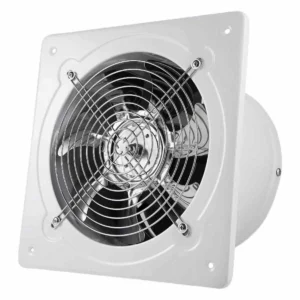
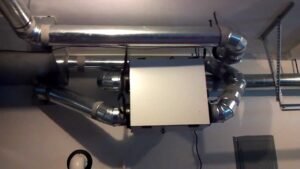
A ventilation fan is vital components in managing indoor air quality, ensuring spaces remain fresh and free from pollutants. By efficiently expelling stale air, these devices help to create healthier and more comfortable living and working environments. Their applications range from residential to commercial settings, where they address specific needs such as reducing moisture, eliminating odours, and preventing airborne contaminants. The effectiveness of an exhaust fan depends on factors such as its type, installation, and maintenance, highlighting the importance of informed selection and proper care.
Functionality of Exhaust Fans
Exhaust fans perform the essential function of expelling unwanted air from indoor spaces to the outside, effectively managing ventilation. They are designed to remove elements such as moisture, odours, smoke, and airborne contaminants, preventing their accumulation within enclosed environments. By facilitating the exchange of indoor and outdoor air, they promote a balanced airflow that reduces humidity levels and discourages the development of mould or mildew.
The operation of an exhaust fan relies on its motor and blades, which work together to create steady airflow. This process not only enhances comfort but also contributes to maintaining structural integrity by reducing moisture-related issues. Exhaust fans are particularly effective in areas prone to poor air circulation, ensuring fresher and healthier surroundings. Their design and placement are integral to their ability to provide efficient and reliable air management.
Types of Exhaust Fans
Exhaust fans are available in various configurations, each designed to cater to specific ventilation needs. Wall-mounted models are commonly utilised in homes, offering straightforward installation and effective performance in smaller spaces. Ceiling-mounted options are ideal for bathrooms and similar areas, where they can efficiently remove moisture and odours. Inline fans, installed within ductwork, provide quieter operation and are well-suited for concealed applications. Centrifugal fans, often found in industrial or commercial settings, deliver high airflow and are engineered for demanding environments.
Key Components of an Exhaust Fan
An exhaust fan is composed of various crucial components, each contributing to its functionality and efficiency. The motor is the central element, providing the power needed to drive the blades. These blades are specifically designed to maximise airflow, ensuring effective removal of unwanted air and particles. The housing encloses the internal mechanisms, offering protection and structural stability while minimising noise during operation.
A grille is positioned at the fan’s opening, serving both practical and aesthetic purposes. It prevents debris from entering the system while maintaining a tidy appearance. Some models also feature backdraught dampers, which block external air from flowing back into the space, enhancing overall efficiency. Together, these components work harmoniously to deliver optimal ventilation, maintaining cleaner and healthier indoor air conditions across various environments.
Installation Considerations
Proper positioning is fundamental when installing an exhaust fan to ensure effective operation. Placement near sources of moisture or odours, such as showers or stoves, maximises its efficiency in expelling unwanted air. The size of the fan must be compatible with the dimensions of the room to provide adequate ventilation without overloading its capacity.
Additionally, ductwork plays a crucial role in directing expelled air outside the building. Shorter and straighter ducts reduce resistance, enhancing the fan’s overall performance. The sealing of ducts is equally important, as leaks can compromise efficiency by allowing air to escape prematurely.
Attention should also be given to electrical connections, which must comply with safety regulations to prevent hazards. Ensuring accessibility for maintenance is another key consideration, facilitating regular servicing to maintain optimal performance over time. These factors collectively contribute to efficient and reliable ventilation.
Energy Efficiency and Exhaust Fans
Energy efficiency is a critical factor in the performance of exhaust fans, influencing both operational costs and environmental impact. Modern designs often incorporate features such as motion sensors, timers, and low-energy motors to optimise energy consumption. The airflow-to-wattage ratio is another key indicator of efficiency, as higher ratios ensure effective ventilation with reduced power usage.
Proper sizing of the exhaust fan in relation to the room is equally essential, as undersized units may overwork, consuming excessive energy, while oversized models can result in unnecessary power usage. Selecting a fan designed for minimal energy consumption can contribute to long-term savings and environmental sustainability, making energy-efficient exhaust fans a practical and responsible choice for diverse applications.
Maintenance of Ventilation Fan
Routine upkeep is crucial to ensuring the efficiency and durability of ventilation fan. Dust and debris can accumulate on the blades and grille over time, obstructing airflow and reducing performance. Regular cleaning of these components prevents such issues and supports smooth operation.
The motor should be inspected periodically to check for wear or damage, and lubrication applied where necessary to maintain functionality. Additionally, checking the fan’s electrical connections ensures safe and uninterrupted performance, reducing the risk of malfunctions.
Exhaust Fans and Indoor Air Quality
Exhaust fans contribute significantly to enhancing indoor air quality by facilitating effective ventilation and the removal of airborne pollutants. By extracting excess moisture, they help to prevent conditions that encourage the growth of mould and mildew, which can negatively impact health and the structural integrity of a building.
Additionally, exhaust fans assist in reducing the presence of volatile organic compounds often emitted by cleaning products, paints, and furnishings. These compounds can degrade air quality and pose potential health risks if allowed to accumulate.
The role of exhaust fans in managing odours and smoke is also noteworthy, particularly in spaces where cooking or smoking occurs. Their ability to expel stale or contaminated air while promoting the flow of fresher air ensures an environment that supports well-being and overall comfort in both residential and commercial settings.
Selecting the Right Exhaust Fan
Choosing an appropriate exhaust fan involves evaluating various factors to ensure effective performance and suitability for the intended space. The airflow capacity of the fan, measured in cubic metres per hour, should align with the room size to achieve efficient ventilation without overloading the system. Noise levels are another important consideration, as quieter models are preferable for spaces where minimal disruption is desired.
The fan’s design, including its mounting style and aesthetic compatibility, should complement the environment. Specific requirements, such as moisture control in bathrooms or grease removal in kitchens, further influence the selection process.
Materials and durability also play a role, particularly in settings with challenging conditions, such as high humidity or heat. Ensuring compliance with applicable regulations guarantees safety and reliability. A careful assessment of these criteria ensures optimal functionality and enhanced indoor air quality.
Exhaust Fans in Commercial Settings
Exhaust fans serve critical purposes in commercial environments by maintaining optimal air quality and ensuring compliance with health and safety regulations. In restaurants, they effectively remove cooking fumes, odours, and grease-laden particles, contributing to a safer workspace. Offices benefit from their ability to expel stale air, promoting a more comfortable and productive atmosphere. In industrial facilities, exhaust fans are essential for ventilating hazardous fumes or excessive heat generated by machinery.
The durability and high performance of commercial exhaust fans make them suitable for demanding applications, while their ability to support employee well-being and operational efficiency is invaluable. Proper installation and maintenance are necessary in such settings to ensure uninterrupted functionality and adherence to regulatory standards.
Exhaust Fans for Kitchens
Exhaust fans in kitchens are crucial for maintaining a safe and hygienic cooking environment by removing odours, smoke, and airborne grease particles. These fans help to minimise the build-up of moisture and contaminants, reducing the risk of mould and improving air circulation. Models designed for kitchen use often feature high airflow capacity to handle intense cooking activities efficiently. Easy-to-clean components, such as detachable grilles, further enhance their practicality.
Additionally, low-noise operation is an important consideration for maintaining a comfortable atmosphere in busy kitchen settings. Durable materials and designs resistant to grease and heat are essential for prolonged functionality, especially in environments with frequent or heavy usage. Proper placement above stoves or cooktops ensures maximum effectiveness in removing pollutants.
Regulations and Standards for Exhaust Fans
Regulations and standards for exhaust fans are established to ensure their safe operation and optimal performance in various settings. These standards typically cover aspects such as airflow capacity, energy efficiency, and noise levels, ensuring compliance with safety and environmental guidelines. Adhering to such regulations helps maintain proper ventilation, preventing issues like excessive moisture or pollutant build-up.
Additionally, some standards specify requirements for fire resistance and electrical safety, particularly in high-risk environments. Ensuring that exhaust fans meet these guidelines supports their effective functionality while reducing potential hazards. Proper labelling and certification often indicate compliance, enabling informed choices when selecting a fan. These regulations play a crucial role in maintaining healthier and safer indoor air quality across residential and commercial spaces.
Future Trends in Exhaust Fan Technology
Exhaust fan technology is evolving with a focus on sustainability and advanced functionality. Smart features, such as automated operation and air quality sensors, are becoming more prominent, enabling precise ventilation control. Innovations in energy-efficient designs aim to reduce environmental impact while maintaining high performance.
Enhanced noise reduction technology is also a priority, ensuring quieter operation in various settings. The incorporation of eco-friendly materials and cutting-edge designs reflects an industry-wide shift towards creating more efficient, sustainable, and user-centric solutions.
Conclusion
Choosing the right ventilation fan is essential for maintaining superior indoor air quality, controlling moisture levels, and preventing mould growth across Australia. Evaluating key factors such as room dimensions, required airflow capacity, motor efficiency, and noise ratings ensures optimal performance for residential and commercial spaces. Incorporating advanced features like backdraught dampers, energy-saving timers, and humidity sensors enhances system functionality while lowering running costs. Whether installed in kitchens, bathrooms, or industrial facilities, high-quality exhaust fans extract airborne contaminants and stale air efficiently. Selecting a durable, properly sized exhaust fan guarantees a healthier, more comfortable indoor environment throughout Australia.
FAQs
What key factors should I evaluate when selecting a ventilation fan?
When selecting a ventilation fan, evaluate the room size, required airflow capacity measured in litres per second or cubic metres per hour, noise levels, and mounting style. Additionally, consider energy efficiency, backdraught damper inclusion, ease of maintenance, and compliance with national ventilation and electrical standards across Australia.
How do I calculate the correct exhaust fan size for a bathroom or kitchen?
Calculating correct fan size involves measuring room volume in cubic metres and multiplying it by the recommended air changes per hour. Bathrooms generally require ten to fifteen air changes per hour, while kitchens require fifteen to twenty. Selecting a fan meeting these airflow rates ensures efficient moisture and odour removal across Australia.
Why is low noise output an important consideration for residential exhaust fans?
Low noise output, measured in sones or decibels, is crucial for maintaining a quiet, comfortable living environment. Fans with ultra-quiet motors and aerodynamic blade designs eliminate intrusive background noise, making them ideal for ensuite bathrooms, home kitchens, and living areas without sacrificing extraction efficiency across Australia.
How does an exhaust fan help prevent structural mould and mildew growth?
An exhaust fan rapidly expels warm, moisture-laden air outside before condensation can settle on walls, ceilings, and mirrors. Removing excess humidity inhibits fungal spore germination, protecting building structures, paintwork, and cabinetry from costly moisture damage and mould accumulation in homes across Australia.
What maintenance practices are required to keep an exhaust fan running efficiently?
Routine maintenance includes isolating power, removing the exterior cover grille, and cleaning accumulated dust and lint from fan blades using a damp cloth. Clearing ductwork obstructions, checking backdraught flaps, and inspecting the motor periodically ensures smooth airflow, quiet operation, and prolonged fan lifespan across Australia.
| Related Business Listings |
| Contact Directory |
| Local Business Profiles |