Professional Teeth Whitening vs. At-Home Kits: What Really Works?
A confident smile could take you a long way. However, choosing the right teeth whitening solution is not the only remedy you should opt for. From professional dental treatments to whitening strips and store-bought kits, there are several ways to reduce tooth stains. However, not every option delivers the same results, and some methods may cause sensitivity or gum irritation when used incorrectly.
It is important to understand that each one of us is different and thus each and every one has a different professional tooth-whitening solution. If you are considering teeth whitening in Napanee, learning how these options compare in effectiveness, safety, cost, and convenience is a good place to start.
1. How Does Teeth Whitening Work?
Teeth whitening products generally use bleaching ingredients, such as hydrogen peroxide or carbamide peroxide, to break down stains within the tooth. These stains can develop from coffee, tea, red wine, tobacco, and certain foods. Natural aging can also make teeth appear darker or more yellow over time.
Not all discolouration responds equally to whitening. Surface stains may improve with whitening products, while deeper discoloration caused by certain medications, dental injuries, or changes inside the tooth may require a different approach.
It is also important to understand that whitening does not change the colour of crowns, veneers, fillings, or other dental restorations. A dentist can help identify the cause of discolouration and determine which treatment is most suitable.
2. Professional Teeth Whitening: What Makes It Different?
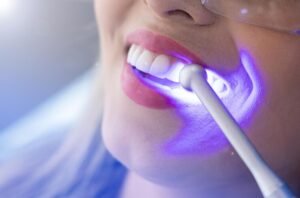
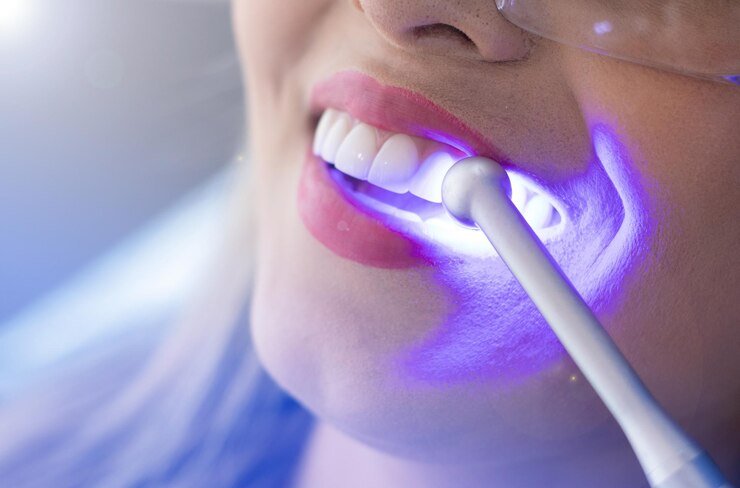
Professional teeth whitening is performed or supervised by a dental professional. Depending on your needs, treatment may involve an in-office procedure or custom-fitted trays designed for use at home.
Faster and More Noticeable Results
In-office whitening can produce visible improvements in a single appointment, although the degree of whitening varies from person to person. Dental professionals use carefully selected products and follow specific application instructions to help achieve consistent results.
This option may be appealing if you want a brighter smile before an important event or prefer professional guidance rather than experimenting with different products.
Personalised Treatment and Better Monitoring
Before recommending whitening, a dentist can assess your teeth and gums, identify existing dental problems, and discuss realistic expectations. Untreated cavities, gum inflammation, and exposed tooth roots may need attention before whitening begins.
During treatment, dental professionals take precautions to protect the gums and other soft tissues. They can also adjust the approach if you experience significant sensitivity.
Is Professional Whitening Permanent?
Professional whitening is not permanent. Results may last for months or longer, depending on your habits, oral hygiene, and the type of treatment used. Regular coffee or tea consumption, smoking, and other staining habits can cause discolouration to return.
Maintaining good oral hygiene and following your dentist’s recommendations can help preserve your results.
3. At-Home Teeth Whitening Kits: Do They Work?
At-home whitening kits are widely available and may include whitening strips, gels, trays, or pens. Some products contain peroxide-based ingredients, while others rely on polishing agents to remove surface stains.
Benefits of At-Home Whitening
Convenience is one of the biggest advantages of at-home kits. You can use many products according to their instructions without scheduling an appointment. They may also cost less upfront than professional in-office whitening.
Whitening strips and other properly formulated products can reduce certain types of discolouration when used consistently. However, results depend on the active ingredients, product concentration, application method, and starting tooth colour.
Limitations You Should Know
At-home kits usually take several days or weeks to produce noticeable results. Some may whiten unevenly if the product does not contact the teeth consistently. Poorly fitting trays can also allow whitening gel to reach the gums, causing irritation.
Using a product more frequently or leaving it on longer than directed will not necessarily improve the outcome. Instead, it can increase the risk of sensitivity and soft-tissue irritation.
For this reason, choosing a reputable product and following its instructions carefully are essential.
4. Professional Whitening vs. At-Home Kits: A Quick Comparison
The best option depends on your priorities, dental health, and expectations.
| Feature | Professional Whitening | At-Home Kits |
| Speed | Often faster, especially in-office | Usually requires repeated applications |
| Cost | Generally higher upfront | Often more affordable initially |
| Supervision | Guided by a dental professional | Usually self-administered |
| Personalisation | Can be tailored to dental needs | Depends on the product |
| Convenience | May require a dental appointment | Can fit into your routine |
| Sensitivity risk | Possible, with professional monitoring | Possible, especially with misuse |
| Results | Vary by stain type and individual. | Vary by ingredients and consistency. |
Neither option guarantees a particular shade of white. Your natural tooth colour and the cause of staining play important roles in the final result.
Which Whitening Option Is Safer for Your Teeth?
Both professional treatments and reputable at-home products can be appropriate when used correctly. However, whitening is not suitable for every situation.
Temporary tooth sensitivity and gum irritation are common potential side effects. These effects may be more noticeable with stronger products, excessive use, or pre-existing dental problems.
Avoid using household bleach, abrasive homemade mixtures, or unverified whitening products. These methods can damage enamel or irritate oral tissues. Whitening toothpaste may help remove surface stains, but it generally does not produce the same bleaching effect as peroxide-based treatments.
If you have sensitive teeth, gum disease, untreated cavities, dental restorations, or persistent tooth discoloration, consult a dentist before starting treatment. Children and teenagers should also receive appropriate professional guidance before using whitening products.
How to Maintain Your Whiter Smile
- Regardless of the method you choose, everyday habits can influence how long your results last.
- Brush twice daily: Use fluoride toothpaste and a soft-bristled toothbrush to maintain oral hygiene.
- Clean between your teeth: Floss or use another suitable interdental cleaner to remove plaque and food particles.
- Limit staining habits: Reduce frequent exposure to coffee, tea, tobacco, and other common sources of discolouration.
- Attend regular dental visits: Professional examinations and cleanings help maintain healthy teeth and gums.
- Follow whitening instructions: Avoid repeated treatments beyond the recommended schedule, even if you want faster results.
These habits will not prevent every stain, but they can help you maintain a cleaner, healthier-looking smile.
Making the Right Choice for Your Smile
So, what really works? Professional whitening is often the better choice for people who want faster results, individual assessment, and professional supervision. At-home kits can be a practical alternative for mild discolouration when a suitable product is used correctly and consistently.
Neither method is universally better. The right decision depends on your dental health, budget, schedule, and desired outcome.
If you are exploring teeth whitening in Napanee, consider speaking with a dental professional before choosing a treatment. A proper assessment can help identify the cause of discolouration, explain your options, and reduce the risk of unnecessary sensitivity. With the right approach and consistent oral care, you can work towards a brighter smile while protecting your long-term dental health.